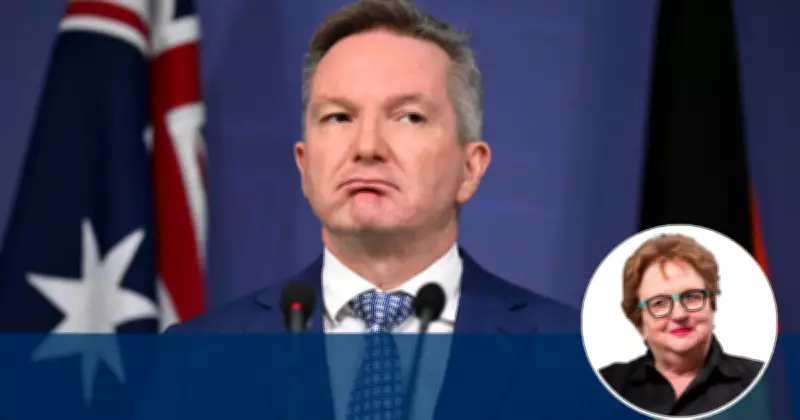
Amanda Vanstone Condemns Australia's Energy Approach as Mere 'Virtue Signalling'
Former Liberal minister and political commentator Amanda Vanstone has launched a scathing critique of Australia's current energy policy, describing it as little more than 'virtue signalling'. In a recent commentary, Vanstone argued that the nation's energy strategy is overly focused on symbolic gestures rather than delivering tangible, effective solutions to meet the country's growing energy demands.
Lack of Practical Solutions Highlighted
Vanstone emphasised that while the government promotes ambitious renewable energy targets and climate commitments, these policies often fall short in addressing the practical challenges of energy security and affordability. She pointed out that Australia's reliance on intermittent renewable sources, such as solar and wind, without adequate backup from reliable baseload power, could lead to potential blackouts and higher electricity prices for consumers.
The former minister stressed that energy policy should prioritise stability and cost-effectiveness over ideological posturing. She cited examples from other nations where similar approaches have resulted in energy crises, urging Australian policymakers to learn from these mistakes and adopt a more balanced and pragmatic strategy.

Calls for a Balanced Energy Mix
Vanstone advocated for a diversified energy portfolio that includes not only renewables but also traditional sources like natural gas and nuclear power. She argued that this mix would ensure a stable and resilient energy grid capable of supporting both economic growth and environmental goals. Her comments come amid ongoing debates about Australia's transition to a low-carbon economy and the role of fossil fuels in that process.
Furthermore, Vanstone criticised the political rhetoric surrounding energy, suggesting that it often obscures the complex realities of energy production and distribution. She called for greater transparency and public engagement in energy discussions to foster a more informed and realistic policy framework.
Implications for Future Policy
The critique from Vanstone highlights a growing concern among some experts and stakeholders about the direction of Australia's energy policy. As the country faces increasing pressure to reduce carbon emissions while maintaining energy reliability, her remarks underscore the need for policies that are both environmentally responsible and economically viable.
In conclusion, Amanda Vanstone's assessment serves as a stark reminder that effective energy governance requires more than just symbolic actions. It demands a thoughtful, evidence-based approach that balances innovation with practicality to secure Australia's energy future.