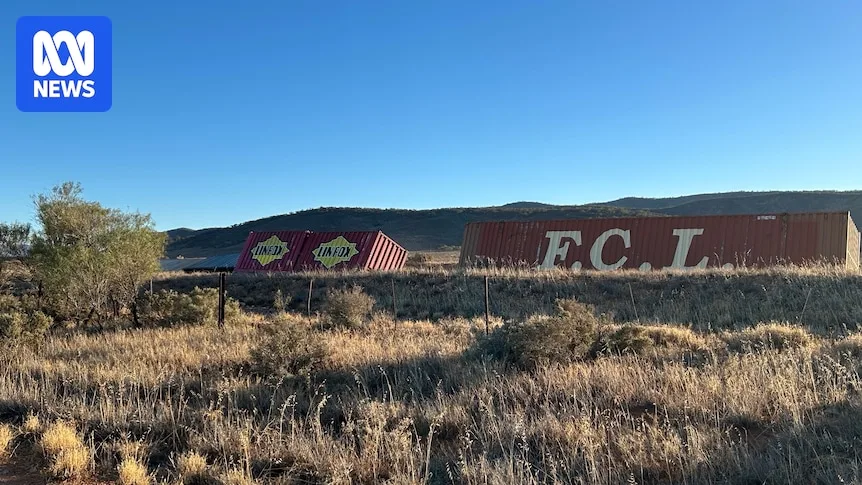
The Australian Rail Track Corporation (ARTC) has confirmed the reopening of the East West rail corridor after a 97-hour operation to recover derailed wagons and restore the track. The derailment occurred north of Port Pirie, South Australia, on Tuesday, January 6, with emergency services called to the scene at approximately 5:40pm. No injuries were reported, and 11 wagons became partially derailed.
Services from Sydney to Perth, Melbourne to Perth, and Adelaide to Darwin have resumed. An ARTC spokesperson stated that crews faced complex conditions, including scorching temperatures, with nearby Port Augusta recording 46.3 degrees Celsius on January 7, the warmest in seven years. The cause of the derailment remains under investigation, with ARTC working alongside the train operator and the Office of the National Rail Safety Regulator (ONRSR).
SA Freight Council chief executive Jonathon Wilson noted that the timing of the incident, after the Christmas period, helped minimize the impact on deliveries. He commended crews for their efficiency and safety focus during the challenging recovery. Wilson emphasized the importance of the freight network for moving products between major cities and highlighted the need to manage climatic constraints to prevent future disruptions.

The ONRSR spokesperson confirmed that they are gathering information and documentation from rail transport operators to understand the incident but declined further comment at this stage.