Spanish households are reaping the benefits of a rapid expansion in renewable energy, with significant savings on electricity and gas bills. According to a new report, the average family has saved hundreds of euros this year alone, as solar and wind power displace expensive fossil fuels.
Renewables Drive Down Costs
The surge in renewable capacity has reduced Spain's dependence on imported natural gas and coal, insulating consumers from the volatile global energy markets. This shift has been particularly valuable amid the ongoing conflict in Iran, which has sent oil and gas prices soaring worldwide.
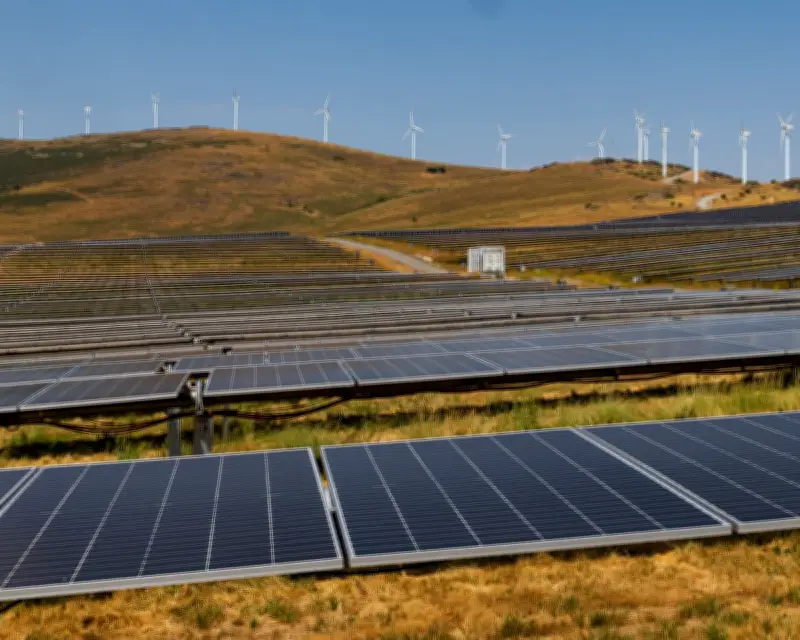
Spain installed more than 10 gigawatts of new solar and wind capacity in 2025, a record amount. This has allowed the country to generate over 50% of its electricity from renewables for the first time. The abundance of cheap green energy has pushed wholesale electricity prices to their lowest levels in years.

Impact on Household Bills
The report by the Spanish Energy Association found that the average household saved €340 on electricity and €120 on gas in the first half of 2026 compared to the same period in 2025. This represents a reduction of approximately 15% on total energy bills.
- Electricity savings: €340 per household
- Gas savings: €120 per household
- Total savings: €460 per household
These savings are particularly welcome for low-income families, who spend a larger proportion of their income on energy. The government has also introduced targeted subsidies for vulnerable households to further ease the burden.
Energy Independence and Climate Goals
Spain's renewable expansion is not only saving money but also enhancing energy independence. By reducing reliance on imported fossil fuels, the country is less exposed to geopolitical shocks. This aligns with the European Union's broader strategy to decarbonize its economy and achieve net-zero emissions by 2050.
Environmental groups have praised the development, noting that it demonstrates the economic benefits of climate action. "This is a clear example that investing in renewables is good for both the planet and people's wallets," said Maria Gonzalez, a spokesperson for Greenpeace Spain.
Challenges Ahead
Despite the successes, challenges remain. The rapid growth of renewables has strained the grid, requiring significant upgrades to transmission infrastructure. There are also concerns about the intermittency of solar and wind power, although battery storage projects are being deployed to address this.
Moreover, the Spanish government has faced criticism for not doing enough to support energy efficiency measures in homes, such as insulation and heat pumps. These could further reduce bills and emissions.
Nevertheless, the overall picture is positive. As more renewable projects come online in the coming years, Spanish households can expect even greater savings. The country is on track to generate 70% of its electricity from renewables by 2030, a target that now seems within reach.