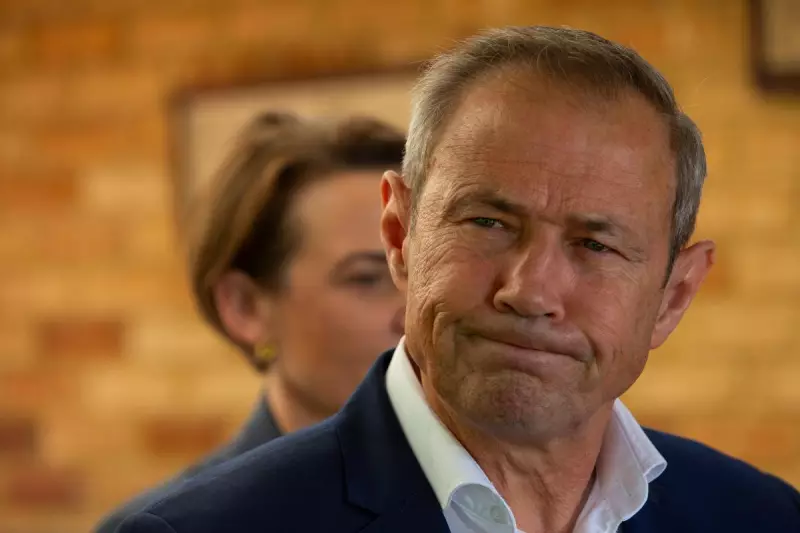
Western Australia is facing a stark energy reality, one that critics argue has been manufactured by the incompetence of Premier Roger Cook's government. The state's energy policy, once a point of pride, is now a source of profound vulnerability for both households and businesses, exposing them to the twin threats of unreliable supply and skyrocketing costs.
A Legacy of Mismanagement and Missed Warnings
The roots of the current crisis stretch back years, but have come to a head under the current leadership. The government-owned utility, Synergy, is struggling to keep the lights on, with the state's electricity grid operating on a knife's edge. This precarious situation is not the result of an unforeseen catastrophe, but of a series of poor policy decisions and a failure to heed clear warnings.
For too long, the government has relied on aging, coal-fired power stations like Muja and Collie while inadequately planning for their inevitable retirement. The transition to renewable energy sources like wind and solar has been badly mismanaged, lacking the necessary investment in firming capacity—such as batteries and gas peaking plants—to ensure power is available when the sun isn't shining and the wind isn't blowing. This fundamental planning failure has created a system that cannot guarantee consistent supply.

The Real-World Consequences for West Australians
The impact of this policy failure is being felt directly in the lives of West Australians. The threat of rolling blackouts is no longer a theoretical risk but a genuine possibility, especially during periods of extreme heat when demand surges. For families, this means sweltering homes and spoiled food. For businesses, particularly small and medium enterprises, it can mean catastrophic operational disruptions and financial losses.
Compounding the reliability crisis is the financial burden. Despite the government's much-publicised $400 electricity credit, the underlying cost of power is rising. The policy vacuum and lack of a coherent energy roadmap create market uncertainty, which ultimately translates into higher prices for consumers. Households are being squeezed from both sides: fearing when the power might go out, and dreading the next bill.
A Call for Accountability and a Coherent Plan
The core accusation levelled at Premier Roger Cook and his Energy Minister is one of sheer incompetence. They have presided over the degradation of a once-resilient energy system. The government's approach has been reactive and piecemeal, failing to provide the long-term, strategic planning that a modern economy requires.
What Western Australia needs now is not more short-term fixes or political spin, but a transparent and competent energy blueprint. This plan must realistically address:
- Urgent investment in dispatchable power to back up renewables and secure the grid.
- A clear, funded timeline for the phased retirement of old coal assets.
- Mechanisms to shield consumers from extreme price volatility.
- Honest communication with the public about the challenges and trade-offs involved.
The current path is unsustainable. Without immediate and competent corrective action, the Cook government's energy policy will continue to be a heavy weight on the state's future, leaving every West Australian household and business perilously exposed.