Government Rejects Fuel Rationing as Middle East Tensions Escalate
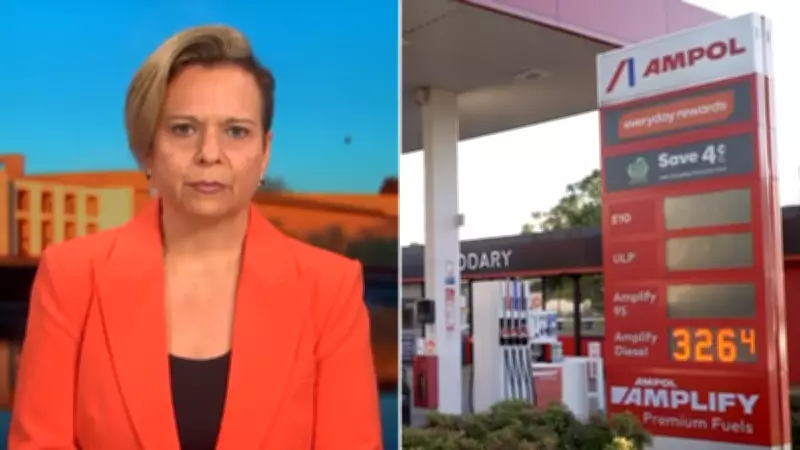
Australians will not face fuel rationing despite growing concerns over potential shortages, with the federal government firmly stating its priority is to ensure continuous supply rather than impose restrictions. Attorney General Michelle Rowland addressed the issue on Sunrise on Tuesday, shutting down rumors and confirming that rationing is not under consideration, even as conflicts in the Middle East disrupt international shipping routes.
Focus on Supply Security Over Consumption Limits
Rowland emphasized that the government's strategy is centered on maintaining robust supply chains, not limiting access for consumers. "We are not considering that. We are focused on security of supply," she stated. This assurance comes amid rising fears about the impact of the Strait of Hormuz crisis on Australia's fuel reserves, with households already experiencing pressure from increasing prices and warnings of possible shortages.
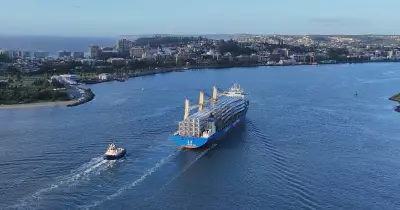
She highlighted that all scheduled shipments have arrived as planned, and the government is strengthening arrangements with key trading partners to bolster supply security. "Every ship that was supposed to arrive has arrived, and we know that by shoring up arrangements with some of our closest trading partners in the area... they are the best ways that we can continue to ensure that we have that security of supply," Rowland explained.

Extended Measures and Regional Partnerships
Rowland confirmed that supply security measures have been extended beyond April into May, with enhanced agreements in place with important regional partners such as Japan and Singapore. These efforts are aimed at calming public anxiety, as many Australians are already on edge due to the escalating crisis. "You've got viewers tuning in today who are on school holidays, who are rightfully anxious about what is going on and the impact of the closure of the Strait of Hormuz and what that's doing to our supply chains, to our agriculture stocks," she acknowledged.
Defending Australia's Position Amid International Criticism
The firm rejection of rationing follows criticism from former US President Donald Trump, who singled out Australia during a global press conference for what he claimed was a lack of support. "And it's not just NATO. You know who else didn't help us? South Korea didn't help us. You know who else didn't help us? Australia didn't help us," Trump said.
In response, Rowland defended Australia's stance, reiterating that the country is not engaging in offensive actions in the conflict. "The United States, of course, is one of our longest and most important allies. But I will say this, Australia is not taking offensive action in this war. We will not be deploying troops," she asserted. She clarified that Australia's actions are defensive, based on requests from Gulf states, and designed to protect Australian citizens in the region.
Ongoing Diplomacy and Calls for De-escalation
Rowland noted that Australia remains in close contact with US officials as the situation develops, but stressed that the broader priority is de-escalation. "There is a constant contact between our officials, between our people in Washington, and also at a ministerial level as well," she said. "We will continue as a country to call for a de-escalation of this conflict. Your viewers are being impacted adversely by events on the other side of the world that they did not cause, and Australia did not cause. This war cannot end soon enough."
The government's clear stance aims to reassure the public while navigating the complex geopolitical landscape, ensuring that fuel supply remains stable despite global challenges.