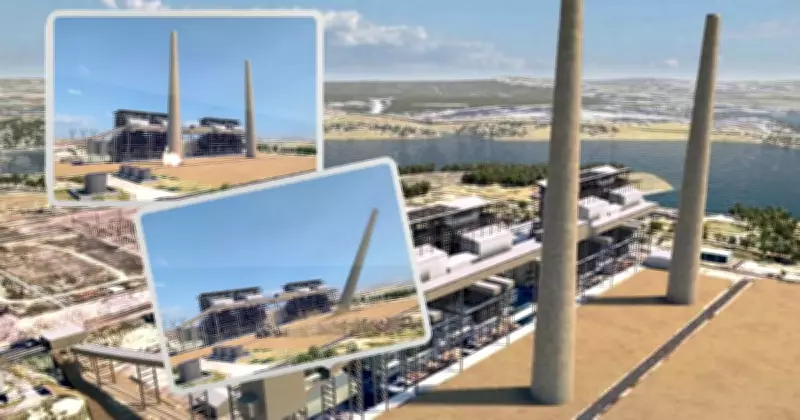
Preparations are now actively underway for the dramatic demolition of the two iconic 168-metre-tall stacks at the former Liddell Power Station in the Upper Hunter region. The long-awaited event, which will see the structures brought down using a series of four explosive blasts, is scheduled to occur during the final two weeks of April, although a precise date has not yet been finalised.
A Major Milestone in Site Transformation
The controlled demolition of these towering landmarks represents a significant milestone in the extensive redevelopment of the site. Since the coal-fired power plant ceased operations in 2023, work has focused on decommissioning and dismantling the surrounding plant infrastructure. This process is paving the way for the site's transformation into a large-scale clean energy and industrial hub.
Extensive Recycling and Waste Recovery
A remarkable aspect of the decommissioning process has been the extensive recycling and repurposing of materials, diverting thousands of tonnes from landfill. To date, the project has successfully recycled or found new uses for over 2,646 tonnes of potential waste.

This includes repurposing more than 45 kilometres of conveyor belt material, recovering and reusing 800,000 litres of transformer oil, and more than 150,000 litres of turbine oil. Furthermore, alternative applications have been secured for a wide range of items, from fabric filter bags and industrial bearings to office furniture.
The site also contains approximately 70,000 tonnes of metal, including a highly valuable 3,000 tonnes of non-ferrous metals like copper and chromium. For context, this metal volume surpasses the 50,000 tonnes of steel in the Sydney Harbour Bridge. An additional 120,000 tonnes of concrete will be crushed and recycled on-site. The revenue generated from selling these recycled materials will help offset part of the $225 million budgeted by AGL for the overall decommissioning and demolition works.
Blueprint for a Future Clean Energy Hub
The future vision for the Liddell site is a comprehensive clean energy precinct, representing a projected investment portfolio exceeding $1 billion. The planned hub is set to incorporate a diverse mix of industries, including advanced agriculture, renewable energy generation, grid firming technologies, large-scale composting, innovative coal ash recycling, green metals production, and advanced manufacturing.
This transformation is expected to become a major economic catalyst for the Upper Hunter region, eventually creating employment for hundreds of local workers. In a significant step towards this future, AGL and solar recycling firm Elecsome signed a memorandum of understanding in 2024 to explore the feasibility of establishing a solar panel recycling plant and a solar cable manufacturing facility at the site.
The forthcoming feasibility study will outline the necessary engineering, infrastructure, and key environmental and regulatory approvals required to develop, construct, and operate both facilities. If progressed, the recycling plant would be Elecsome's first commercial-scale operation in New South Wales, with the capacity to upcycle up to 500,000 residential and grid-scale solar panels annually.
Demolition Methodology and Approvals
The demolition methodology for the Liddell stacks will mirror the successful process used to bring down the Munmorah power station stacks on the Central Coast back in March 2017. The project received the necessary planning approvals from the NSW Department of Planning last year, clearing the way for the explosive finale to these industrial icons.