Federal Government Unveils $20 Million Fuel Conservation Campaign
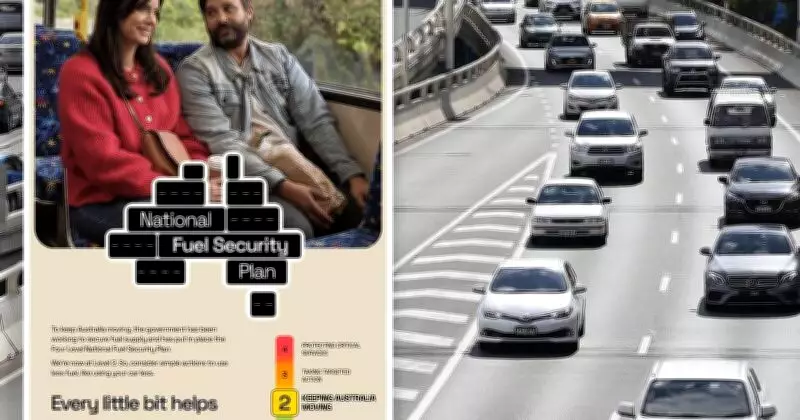
The federal government has launched a multimillion-dollar advertising campaign aimed at encouraging Australian motorists to conserve fuel and reduce driving amid an ongoing energy crisis. Titled "every little bit helps", the $20 million initiative will roll out from Monday across television, radio, online platforms, billboards, and posters.
Campaign Details and Public Response
The ads provide practical tips for improving fuel efficiency, such as driving smoothly and unloading excess weight, while urging the public to consider alternatives like walking or using public transport. This campaign follows a national cabinet meeting two weeks ago that announced a national fuel security plan.
Agriculture Minister Julie Collins described the effort as a "team Australia moment", emphasizing that small actions by everyday Australians can make a significant difference in ensuring fuel continues to flow. However, Liberal frontbencher James Paterson criticized the campaign as "taxpayer-funded political propaganda", arguing that Australians do not want to be lectured about driving less.

Fuel Supply Challenges and Global Context
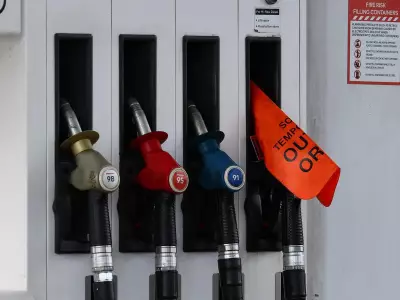
Currently, more than 170 service stations across Australia are without diesel, representing 2.2 percent of all refuelling stops, with NSW petrol stations being the most affected. The shortages stem from disruptions in the Strait of Hormuz, a key oil transit channel, due to tensions involving Iran, the US, and Israel. Although a temporary ceasefire has been brokered, Energy Minister Chris Bowen warned of a "long tail" to the conflict, noting that even if the strait reopened today, a backlog of ships and damaged gas plants would prolong recovery.
Australia's fuel reserves stand at 38 days for petrol, 31 days for diesel, and 28 days for jet fuel. While diesel supplies have seen a slight improvement, petrol and jet fuel reserves have declined modestly. The government assures that ships are still arriving, with 4.1 billion litres of fuel secured, but prices remain elevated, and regional areas continue to experience shortages.
Diplomatic Efforts and Policy Responses
In response to the crisis, Prime Minister Anthony Albanese has ramped up diplomatic efforts, recently meeting with Singaporean counterpart Lawrence Wong to sign an agreement for continued fuel and gas trading. The deal commits both nations to "make maximum efforts to meet each other's energy security needs", though it does not guarantee prioritization for Australia if Singapore's refineries reduce output.
Additionally, Australia is diversifying its fuel supply chains beyond Southeast Asia, securing supplies from South American countries and Algeria. The federal opposition has called for greater energy self-reliance, with National Party leader Matt Canavan suggesting better utilization of domestic oil and gas resources. As part of its response, the federal government has also halved the fuel excise tax to alleviate pressure on consumers.