Fuel Shortage Crisis Grips Australia as Petrol Prices Skyrocket
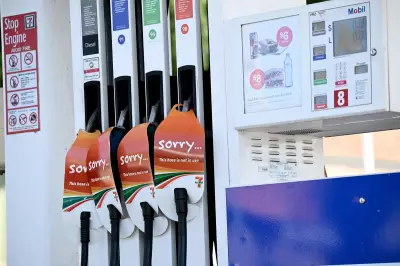
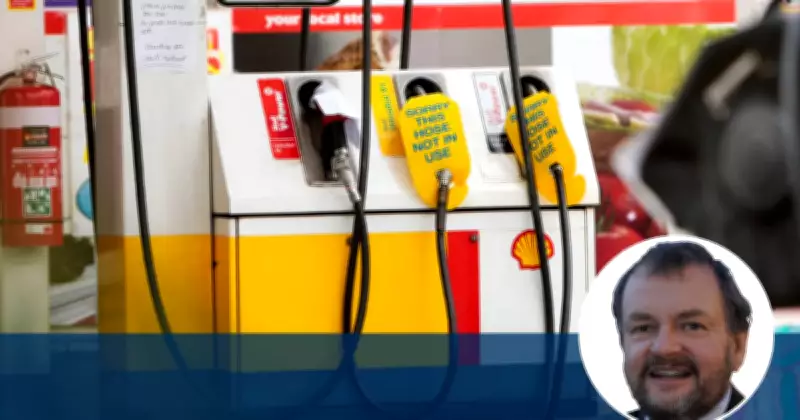
Australia is currently grappling with a severe fuel shortage crisis, leading to a sharp and sustained surge in petrol prices across the nation. This alarming situation has left consumers and businesses alike struggling with escalating costs, prompting urgent questions about the underlying causes and who bears responsibility for the financial strain.
Global Oil Market Volatility and Its Impact
International factors are playing a significant role in driving up petrol prices in Australia. The global oil market has experienced considerable volatility due to geopolitical tensions, supply chain disruptions, and fluctuating demand patterns post-pandemic. These elements have contributed to higher crude oil prices, which directly influence the cost of refined petrol products imported into the country.
Analysts note that Australia's reliance on imported fuel makes it particularly vulnerable to these international price shifts. As global benchmarks like Brent crude rise, the expense of bringing petrol to Australian shores increases, inevitably passing on costs to consumers at the pump.

Local Refinery Challenges and Supply Constraints
Compounding the issue are domestic refinery problems that have exacerbated the fuel shortage. Several Australian refineries have faced operational difficulties, including unexpected shutdowns and maintenance delays, reducing local production capacity. This has forced a greater dependence on imports, which are not only more expensive but also subject to logistical bottlenecks and shipping delays.
Furthermore, supply chain constraints within Australia, such as transportation issues and storage limitations, have hindered the efficient distribution of available fuel stocks. These local challenges have created a perfect storm, limiting supply just as demand remains robust, thereby pushing prices even higher.
Government Policies and Regulatory Factors
The role of government policies is also under scrutiny in the debate over surging petrol prices. Critics argue that regulatory frameworks, including fuel excise taxes and environmental levies, add to the overall cost burden for consumers. While these measures are designed to fund infrastructure and promote sustainability, they can contribute to price hikes during times of shortage.
Additionally, there are concerns about the adequacy of strategic fuel reserves and emergency response plans. Some experts suggest that better policy coordination and investment in local refining capabilities could mitigate future shortages and price spikes, though implementing such changes requires time and political will.
Economic and Social Consequences
The economic and social impacts of the fuel shortage are profound. Households are feeling the pinch as higher petrol prices increase the cost of commuting, groceries, and other essentials, squeezing disposable incomes. For businesses, especially those in transport, logistics, and agriculture, rising fuel costs translate into higher operational expenses, which may be passed on to consumers through increased prices for goods and services.
This situation has sparked widespread frustration and calls for accountability. Consumer advocacy groups are urging transparency from fuel companies and government bodies to address the crisis promptly. As Australians navigate this challenging period, understanding the multifaceted causes of the fuel shortage is crucial for developing effective solutions and preventing similar issues in the future.