Fuel Excise Cut Promises Relief, But Minister Won't Confirm When Prices Will Drop
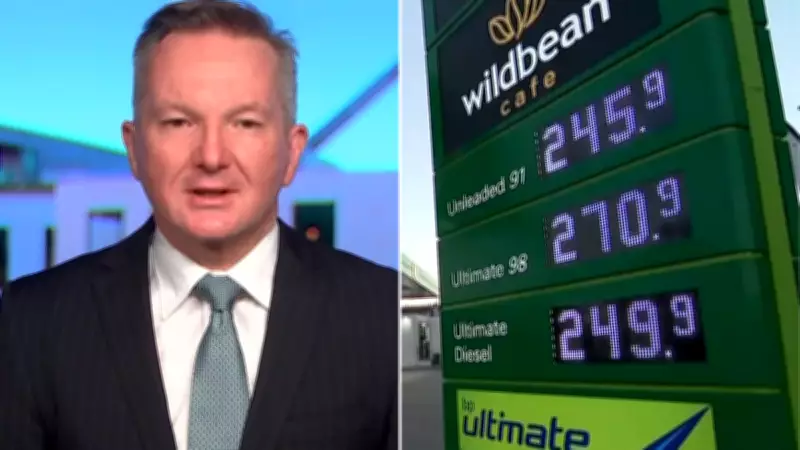
Australians have been promised significant relief at the bowser, yet Energy Minister Chris Bowen has declined to confirm exactly when motorists will start seeing fuel prices fall. This comes despite a sweeping excise cut taking effect from midnight on Wednesday, a $2.5 billion emergency measure designed to ease pressure from the escalating Middle East conflict.
The federal government will halve the fuel excise on petrol and diesel for three months, with the cut expected to deliver savings of 26.3 cents per litre. This equates to approximately $12 per tank for a small sedan and $21 for a twin-cab ute. Additionally, the heavy vehicle road user charge will be dropped over the same period.
Delays Expected as Existing Stocks Are Already Taxed
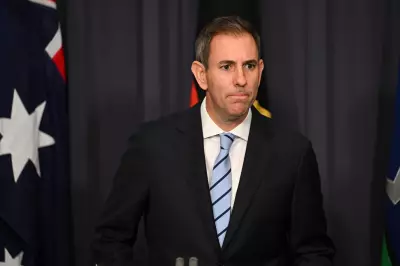
Speaking on Sunrise on Tuesday, Bowen avoided giving a clear timeline for when these savings would appear at service stations. He explained that existing fuel stocks have already been taxed, meaning prices may not immediately reflect the cut. "Well, as soon as the new petrol arrives that they have not paid the tax on," he said.

Bowen stressed that fuel in tanks at service stations might have been there for days, with the tax already paid. "So please, if you turn up tomorrow and the price has not gone down, they are just waiting for the new petrol with the lower tax to come in." Despite multiple attempts from host Nat Barr to pin down a timeframe, Bowen repeatedly avoided committing to a specific day, noting that delays could vary.
"It can be days in city stations. It can be quicker for some. For others, it might take a bit longer," he said. In regional areas, delays could be even longer due to slower turnover and logistical challenges.
Supply Concerns Persist Despite Price Cuts
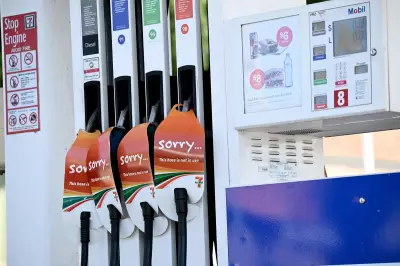
The lack of clarity on pricing comes as Australians grapple with patchy fuel supply, with many questioning how lower prices will address shortages. Bowen acknowledged the frustration, attributing the issue to a system struggling to keep up with a surge in demand rather than a lack of fuel.
"I completely understand people saying, 'Well hang on, I heard Bowen say there is plenty of petrol, but there is no petrol at the service station'," he said. "But I also have to tell the truth. The truth is all the ships are arriving. The truth is that the two refineries in Australia are working full pelt, and every drop of diesel and petrol they produce goes to Australian service stations and Australian farmers."
Bowen stated that Australia has as much fuel today as when the bombing of Iran started, with a slight increase. He explained that the disruption was triggered by panic buying following escalating tensions in the Middle East, with demand increasing by 100 per cent. "Whether it is petrol or toilet paper or anything, when you see in a few days demand go like that, the supply chain is going to struggle to catch up. And we are still dealing with that."
Government Urges Calm and Monitors Retailers
While deliveries are continuing, many stations, particularly in regional areas, are still refilling after running dry. Bowen reported that over the weekend, a huge amount of diesel was delivered to regional New South Wales to fill gaps and catch up with empty tanks. He urged Australians not to add further pressure by panic buying, recommending that people buy only what they normally need to help stabilise supply.
"That is why we say the best thing we can all do is buy as much petrol and diesel as we need, no more, no less," he said. "Buy what we normally buy. That is the best thing we can all do to try and get that supply back into balance so that there is enough petrol or diesel when we get to the service station for what we need, and what our neighbours need, and what our mates need."
The government has tasked the ACCC with closely monitoring prices to ensure retailers pass on the tax cut, warning of significant penalties for war profiteering. "We have increased the penalties very substantially for people who are profiteering in this crisis," Bowen said, emphasising the importance of fair pricing during this emergency period.