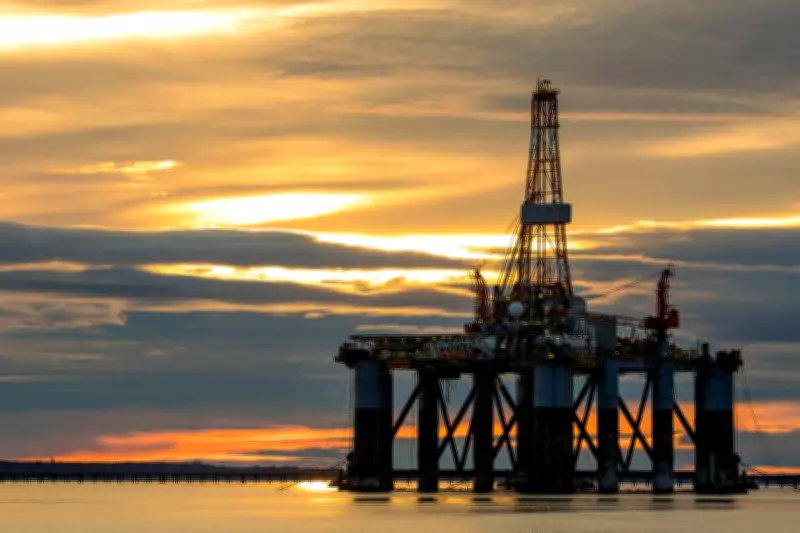
Carnarvon Energy is seeking to reignite the long-awaited $3 billion Dorado oil project, as the Middle East conflict has sparked a scramble to secure petrol supply. The project, located off the Pilbara coast, would unlock 22 million barrels of oil annually but was put on hold last year by major investor Santos, which sought to bring costs under control.
Renewed Hopes for Dorado
There were fresh hopes in April that the oil-rich field might move ahead after Santos chief Kevin Gallagher stated that Dorado had “come back very much to the top of our thinking.” The field was discovered by ASX-listed Carnarvon in 2018, marking the biggest oil find on Western Australia’s North West Shelf in three decades. Federal regulators approved its development in early 2023.
Santos, which owns 80% of the project, has warned that broader industry uncertainty is deterring potential investors. Carnarvon chief executive Philip Huizenga told The West Australian that if WA wants to reap the rewards sooner rather than later, the project needs government backing now.

Project Readiness and Timeline
“We’ve done a lot of the groundwork already, so the project is essentially ready to go,” Huizenga said. “If we push the button in 2027, we could be producing crude oil in Western Australia within four years.” His comments come amid global instability that continues to drive fuel price volatility, with only temporary relief from the Federal Government’s fuel excise.
Huizenga pointed out that government intervention is not a fix-all. When the excise is removed in June, it will be “really important” for Australia to have its own source of oil. “Dorado alone could produce around 850 million litres of diesel per year, which is a significant contribution to domestic supply,” he said. “We haven’t seen an offshore development of this scale in Western Australia for 20 to 25 years.”
Challenges of Regulatory Uncertainty
Huizenga noted that investor confidence is being undermined by shifting regulations. “What we need is confidence that once approvals are granted, they remain consistent throughout the life of the project,” he said. “Changes to regulations or taxes after investment decisions are made can impact the viability of projects like this. It’s about ongoing government support and certainty for investors.”
“Securing fuel from overseas addresses short-term needs, but projects like Dorado are about long-term energy security. Recently we have seen how much we rely on fuel in a country like Australia,” he added.
Political Reactions
Opposition Leader Basil Zemplilas said WA is becoming a less attractive place to invest. “Projects like Dorado don’t stall because of a lack of resources, they stall because of a lack of certainty,” he said. “Investors are being asked to risk billions while Labor keeps shifting the goalposts on approvals, taxes and industrial relations. These are massive, long-term investments. Without clear and timely approvals and policy certainty, the capital simply goes elsewhere, and WA misses on jobs and investment. The first step in ensuring fuel security is unlocking our own offshore oil resources.”
A State Government spokeswoman said it was “highly interested in projects looking to boost our fuel resilience.” This includes new refining capacity, as well as new bio-fuel and hydrocarbon projects. “While this project is in Commonwealth waters, we will work constructively with the proponents to maximise any potential benefits to WA and provide practical assistance where we can,” she said.