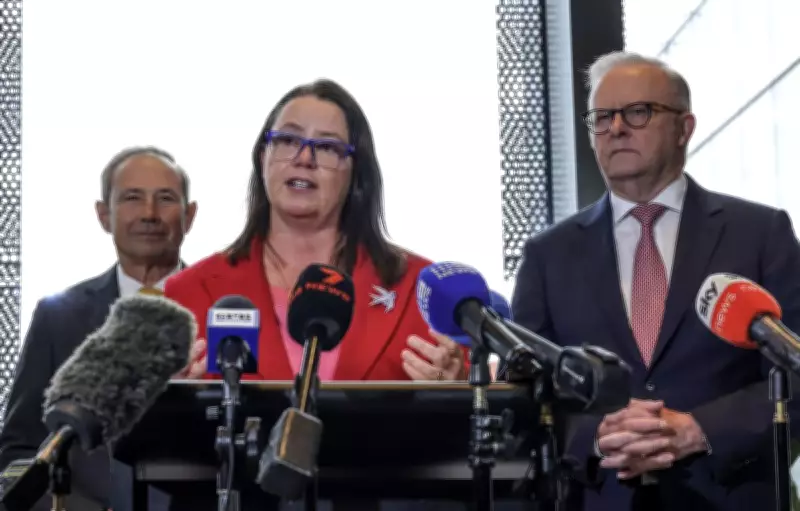
The federal government's proposed gas reservation policy, spearheaded by Prime Minister Anthony Albanese, is expected to significantly outperform the existing scheme in Western Australia, according to energy experts.
Key Differences Between Policies
Unlike the current WA policy, which requires gas producers to set aside 15% of supply for domestic use, the Albanese plan would mandate a higher reservation rate of 20% and apply nationally. This broader scope is anticipated to lower energy prices for households and businesses across Australia.
Expert Analysis
Dr. Sarah Thompson, an energy economist at the University of Western Australia, noted that the proposed policy could reduce wholesale gas prices by up to 12% in the eastern states. "The current WA scheme has been effective locally, but the national approach will address supply shortages more comprehensively," she said.

Industry groups have expressed mixed reactions. The Australian Petroleum Production & Exploration Association warned that higher reservation quotas might deter investment, while consumer advocates welcomed the potential for cheaper energy.
Political Implications
The announcement comes ahead of the next federal election, with gas policy emerging as a key battleground. WA Premier Roger Cook has defended the state's existing scheme, arguing it has kept prices stable for local users. However, Albanese's proposal aims to unify energy policy and reduce reliance on imported gas.
Timeline for Implementation
If passed, the new policy would take effect from 2027, allowing producers time to adjust. The government has also pledged to consult with states and territories to ensure a smooth transition.