Editorial: Drink Driving Dangers Are Still Being Ignored
Despite decades of public awareness campaigns and strict laws, the dangers of drink driving continue to be overlooked by too many motorists in Western Australia. A recent editorial by Malcolm Quekett in The West Australian highlights the persistent problem and calls for renewed efforts to combat this deadly behaviour.
The piece, published on Saturday, 16 May 2026, notes that while progress has been made in reducing drink driving incidents, complacency has set in. Many drivers still underestimate the risks or believe they can handle alcohol and still drive safely. The editorial argues that this mindset is costing lives and causing unnecessary trauma on WA roads.
Alarming Statistics
Data from the Road Safety Commission shows that alcohol remains a leading factor in fatal crashes. In 2025, approximately one in four road deaths involved a driver with a blood alcohol concentration over the legal limit. These numbers have not improved significantly in recent years, suggesting that current measures are insufficient.

The editorial points out that young drivers, particularly males aged 17-25, are overrepresented in drink driving statistics. Peer pressure, lack of alternative transport, and a culture of risk-taking contribute to the problem. Additionally, repeat offenders account for a substantial proportion of incidents, indicating that penalties may not be acting as a strong enough deterrent.
Calls for Stricter Penalties
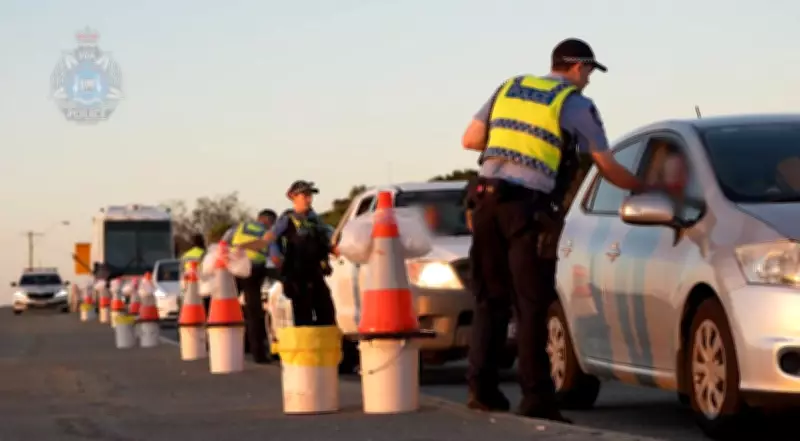
Malcolm Quekett argues that the state government must consider tougher penalties for drink driving, including higher fines, longer license suspensions, and mandatory alcohol interlock devices for all convicted offenders. He also suggests that random breath testing should be increased, especially during peak times such as weekends and public holidays.
Community education campaigns should be revitalised to target high-risk groups, using social media and other modern platforms to deliver powerful messages about the consequences of drink driving. The editorial emphasises that changing behaviour requires a combination of enforcement, education, and support for alternative transport options like public transport and ridesharing services.
A Shared Responsibility
The editorial concludes that tackling drink driving is not just the job of police and lawmakers but a shared responsibility of all Western Australians. Friends, family, and colleagues must speak up if they suspect someone is about to drive under the influence. Employers can also play a role by promoting safe practices at work events.
As the holiday season approaches, the message is clear: drink driving is never acceptable. The editorial urges everyone to plan ahead, designate a sober driver, or use a taxi or ride-share service. The cost of a cab is far less than the cost of a life or a court appearance.
In summary, the dangers of drink driving are well known, but they are still being ignored by too many. It is time for a renewed commitment to road safety, with stronger laws, better enforcement, and a cultural shift that makes drink driving socially unacceptable. Only then can WA hope to reduce the tragic toll of alcohol-related crashes.