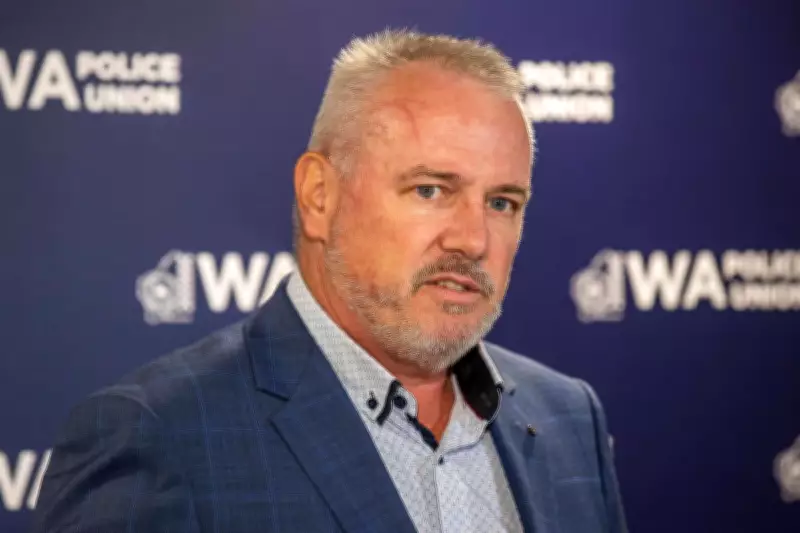
WA Police Union Board Under Pressure Amid Allegations Against Director
In a significant development within Western Australia's law enforcement community, members of the police union are actively pushing for the immediate dismissal of the union's board. This move comes in response to serious allegations leveled against the union's director, Dave Flaherty, which have ignited widespread internal discord and raised concerns about governance and transparency.
Allegations Spark Internal Turmoil
The situation has escalated rapidly, with union members expressing deep dissatisfaction over how the board has handled the allegations against Flaherty. Sources indicate that the accusations, which remain unspecified in detail but are described as substantial, have led to calls for accountability and a complete overhaul of the union's leadership structure. This internal conflict threatens to undermine the union's stability and its ability to represent police officers effectively across the state.
Board's Response and Member Demands
Despite the mounting pressure, the board has yet to issue a formal public statement addressing the calls for its sacking. However, insiders report that discussions are ongoing behind closed doors, with some board members reportedly resisting the demands for dismissal. Union members, frustrated by the perceived lack of action, are mobilizing to force a vote or other measures to remove the board, citing a need for renewed trust and ethical leadership in the wake of the allegations.

The allegations against Dave Flaherty, while not publicly detailed, are said to involve matters that could impact the union's operations and reputation. This has prompted a broader debate about oversight and accountability within police unions in Australia, with some experts warning that such incidents could erode public confidence in law enforcement institutions.
Broader Implications for WA Police
This controversy emerges at a critical time for Western Australia's police force, which is already grappling with various operational challenges. The union's internal strife may distract from its core mission of advocating for officers' rights and welfare, potentially affecting morale and cohesion within the ranks. Observers note that a swift and transparent resolution is essential to prevent further damage and restore unity among union members.
As the situation unfolds, all eyes are on the WA Police Union to see how it navigates this crisis. The outcome could set a precedent for how similar allegations are handled in other police unions nationwide, highlighting the importance of robust governance in maintaining the integrity of law enforcement organizations.