Bus services in Newcastle face ongoing disruption after drivers overwhelmingly rejected a proposed pay and conditions deal, sending their employer and union back to the negotiating table following almost a full year of fraught talks.
Vote Result Forces Negotiation Reset
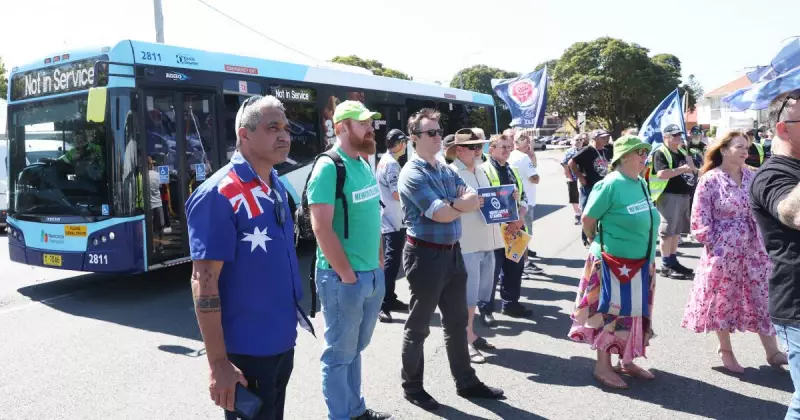
After nearly twelve months of bargaining and industrial action, employees of Keolis Downer Hunter, the operator of the Newcastle Transport bus network, have voted against the company's latest enterprise agreement offer. The company has confirmed it will now reset the entire negotiation process. This decision comes in the wake of a work stoppage on Friday, December 12, 2025, where drivers walked off the job over ongoing disputes regarding pay rates and working conditions.
The industrial action followed a union threat in November to continue a campaign of disruptions, which included drivers refusing to operate a service if the previous one was more than six minutes late.

Details of the Rejected Offer and Union Concerns
Keolis Downer's operations manager, Daniel Collis, expressed disappointment at the outcome, stating the offer was strong and included above-industry wage increases with no loss of existing conditions. The proposed four-year agreement featured a total wage increase of 15.5 per cent, which would have progressed experienced drivers to an hourly rate exceeding $40. Trainee Level 1 employees were offered an 8 per cent rise.
However, the Rail, Bus and Tram Union (RBTU) argued the deal failed to address core concerns. The union's tram and bus division secretary, David Babineau, told the Newcastle Herald that wages, safety, and working conditions had deteriorated under privatisation. "Drivers have been pushed to the brink by a company that prioritises sending its profits back to the French government over the wellbeing of the Newcastle community," Babineau said. He emphasised that the dispute was about "basic fairness" for the local workers who keep the city moving.
New Demands and the Path Forward
Following the vote, Keolis Downer met with union representatives to return to bargaining. According to Mr Collis, the union presented an expanded list of expectations, including a request for a three-year agreement with a 4 per cent annual wage increase. In response, the company proposed a three-year term with a total 12 per cent increase, and a 6 per cent rise for trainees.
Mr Collis defended the original proposal, noting it protected current conditions such as rostering rules—where drivers cannot be scheduled for less than seven or more than nine ordinary hours without overtime—and maintained income protection. He also voiced disappointment over the impact of strikes on customers, particularly vulnerable passengers and school children.
Keolis Downer has stated it aims to progress to another vote in the coming weeks. Should a new agreement not be approved, the company may seek intervention from the Fair Work Commission to help resolve the protracted dispute, leaving Newcastle's bus drivers and commuters in a state of continued uncertainty.