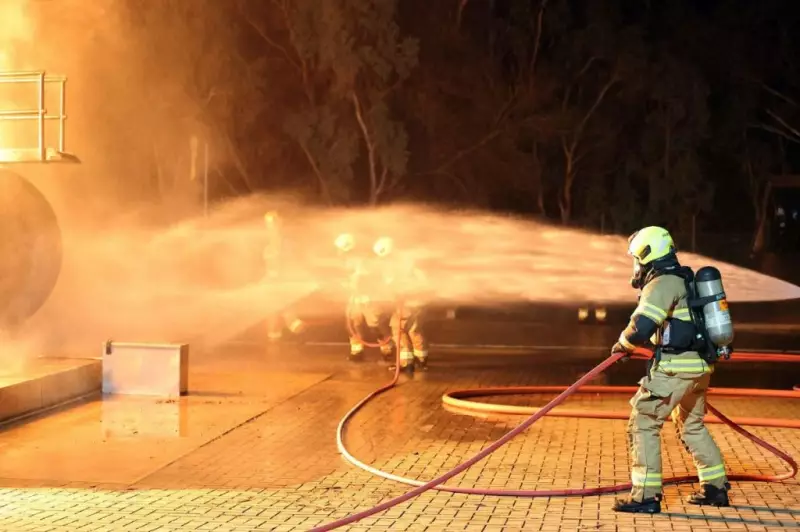
A landmark industrial agreement, valued at over $1.6 billion, has been secured to directly tackle the severe health risks faced by Australia's firefighters. The deal, finalised on New Year's Eve, introduces groundbreaking measures aimed at reducing the historically high rates of cancer and heart disease within the profession.
A Proactive Shield Against Occupational Illness
The core of the new enterprise bargaining agreement is a suite of proactive health strategies. Recognising that firefighters are exposed to a toxic cocktail of carcinogens, the deal mandates mandatory health monitoring and significantly improved cancer screening protocols. This shift from reactive treatment to early detection is a critical step in saving lives.
Furthermore, the agreement includes provisions for specialist training on exposure reduction. Firefighters will receive enhanced education on how to minimise contact with harmful substances during and after firefighting operations, including advanced decontamination procedures. This practical focus is designed to change on-ground behaviour and lower long-term health risks.

Financial Recognition and Support
Beyond health interventions, the deal delivers substantial financial benefits. It guarantees a pay rise of 12 percent over three years for firefighters. This increase acknowledges the immense physical and mental demands of their work, which now carries a formally recognised elevated risk of chronic disease.
The financial package also strengthens compensation pathways. The process for firefighters or their families to claim support for work-related cancers and heart conditions has been streamlined, ensuring faster and more accessible aid when it is needed most.
Implementation and National Implications
The agreement, negotiated between the United Firefighters Union (UFU) and the South Australian government, is set to be formally implemented in early 2026. While initially covering South Australian firefighters, the historic nature of its health-centric clauses is expected to set a powerful precedent for negotiations nationwide.
Union officials have hailed the deal as a "monumental" shift in how firefighter welfare is prioritised. It moves beyond traditional pay disputes to confront the stark reality that the job's dangers extend far beyond the fireground, with health repercussions that can emerge decades later. This agreement represents a new standard in occupational health and safety for first responders across Australia.