Cafe Manager Fined $90,000 for Underpaying Workers in Canberra
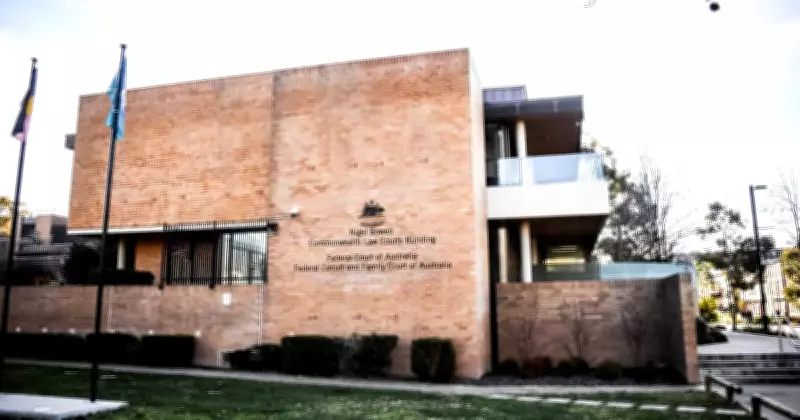
A cafe manager in Canberra has been ordered to pay more than $90,000 after being found guilty of underpaying employees, in a case that underscores persistent problems with wage theft in Australia's hospitality industry. Rajandeep Kehal, who managed the Cafe Capital Grind, was directed by the Federal Circuit and Family Court to compensate workers for significant shortfalls in their wages.
Details of the Underpayment Case
The court ruled that Kehal failed to pay proper wages and entitlements to several employees at the cafe, resulting in a total underpayment exceeding $90,000. This amount includes back pay, interest, and penalties imposed by the Fair Work Ombudsman, which investigated the matter following complaints from affected staff members. The case involved violations of the Fair Work Act, with workers not receiving their due minimum hourly rates, penalty rates for overtime, and other statutory benefits.
Legal proceedings revealed that the underpayments occurred over an extended period, affecting multiple individuals who were employed at the establishment. The Fair Work Ombudsman emphasized that such actions are unacceptable and that employers must comply with Australian workplace laws to ensure fair treatment of employees.

Impact on the Hospitality Sector
This incident highlights broader concerns about wage theft in the cafe and restaurant industry, where underpayment is often reported. Experts note that hospitality workers, including those in cafes, are particularly vulnerable to exploitation due to casual employment arrangements and high turnover rates. The case serves as a reminder for business owners to regularly audit their payroll practices and adhere to legal standards.
The ruling against Kehal is part of a larger crackdown on non-compliance in the sector, with authorities increasing enforcement actions to protect workers' rights. Similar cases have been documented across Australia, prompting calls for stricter regulations and better education for employers on their obligations.
Response from Authorities and Community
The Fair Work Ombudsman has welcomed the court's decision, stating that it sends a strong message to other employers about the consequences of failing to pay workers correctly. A spokesperson commented, "This outcome demonstrates our commitment to holding businesses accountable and ensuring employees receive their lawful entitlements."
Community advocates have also praised the ruling, urging affected workers to come forward and report any instances of underpayment. They stress that wage theft not only harms individuals financially but also undermines trust in the industry. Recommendations for preventing such issues include:
- Implementing regular wage audits
- Providing training on employment laws
- Encouraging transparent communication between employers and staff
As the hospitality sector continues to recover from economic challenges, ensuring fair pay remains a critical issue for sustainability and worker well-being.