WA Fuel Crisis: Drivers Express Gratitude for Excise Relief, Economists Issue Cautionary Warnings
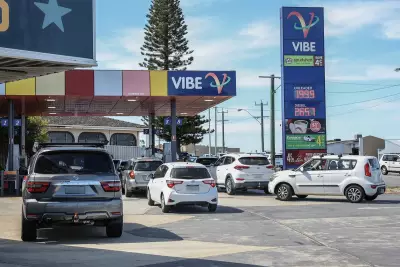
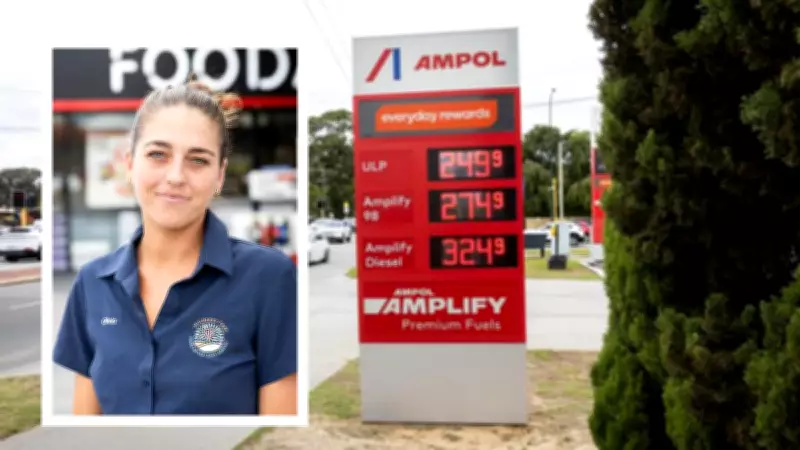
In Western Australia, a severe fuel crisis has left drivers grappling with soaring prices at the pump, prompting widespread concern across the state. The recent introduction of fuel excise relief has been met with a wave of gratitude from motorists, who have seen immediate financial benefits. However, economists are sounding alarms, warning that this measure represents only a partial solution and is unlikely to last long, leaving underlying economic issues unresolved.
Immediate Relief for Drivers Amidst Crisis
The fuel excise relief, implemented in response to the escalating crisis, has provided a much-needed reprieve for Western Australian drivers. Many have reported significant savings on their fuel bills, easing the burden on household budgets during a time of economic strain. This temporary reduction in excise has been praised for its quick impact, offering a sense of stability in an otherwise volatile market.
Community feedback highlights the relief felt by everyday Australians, with drivers expressing appreciation for the government's swift action. The measure has been particularly welcomed in regional areas, where fuel costs can disproportionately affect livelihoods and access to essential services.

Economists Warn of Short-Term Nature and Unfinished Job
Despite the positive reception from drivers, economists are cautioning that the excise relief is merely a stopgap measure. Experts argue that while it addresses immediate price pressures, it fails to tackle the root causes of the fuel crisis, such as supply chain disruptions, global oil market fluctuations, and long-term energy policy challenges.
Analysts point out that the relief is set to expire, meaning drivers could face a sudden return to high prices once it ends. This temporary fix, they warn, does little to prepare the economy for future shocks or to invest in sustainable alternatives. The job is only half-done, with calls for more comprehensive strategies to ensure energy security and affordability in the long run.
Broader Economic Implications and Future Outlook
The WA fuel crisis has broader implications for the state's economy, affecting industries from transportation to retail. Economists emphasize that without lasting solutions, the temporary relief could lead to increased inflationary pressures and reduced consumer spending power over time. They advocate for a multi-faceted approach, including investment in renewable energy sources and infrastructure improvements to mitigate future crises.
As the situation evolves, stakeholders are urging policymakers to consider long-term reforms rather than relying on short-term measures. The current excise relief, while helpful, underscores the need for a more robust economic framework to handle such challenges effectively.