As the first quarter of the 21st century concludes, the Hunter Region stands at a pivotal crossroads. The cumulative effects of decades of industrial, urban, and social policy decisions are now coming into sharp focus, setting the stage for the journey to 2050. According to Professor Phillip O'Neill from Western Sydney University, three interconnected issues will fundamentally determine the region's future prosperity and liveability.
The Enduring Legacy of Coal Mining
The Hunter's economic landscape has long been dominated by coal. Official figures reveal that as of September 2025, there were 23 operational coal mines in the region, including Ulan. In the previous year, these mines extracted a staggering 230 million tonnes of material, resulting in 145 million tonnes of saleable coal and employing 16,500 workers.
However, the sheer physical footprint of these operations, visible from space, tells only part of the story. A comprehensive assessment of their cumulative impact on air, water, rural industries, and community viability has been conspicuously absent since a limited NSW government study in 1997. Professor O'Neill poses a critical question: had the full, long-term consequences been understood in the 1980s and 1990s, would the scale of mining approval have been the same? While coal will inevitably phase out, the costly environmental clean-up and economic transition loom large.

The Concrete Reality of Urban Sprawl
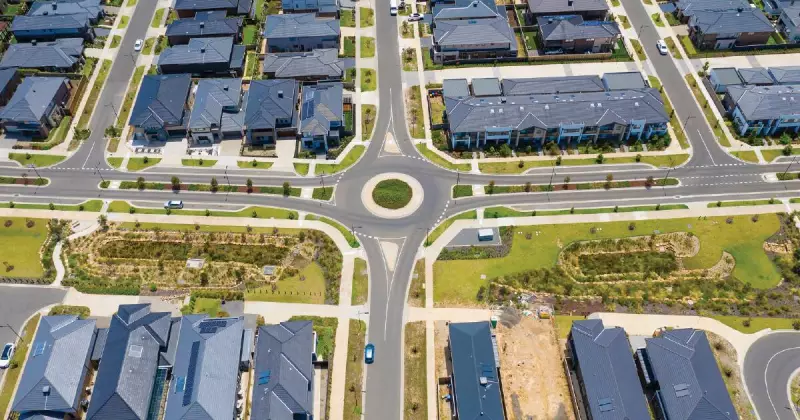
The Hunter's population has ballooned by 45 per cent since 2001, surging from 560,000 to approximately 810,000 residents. This growth rate outpaces Sydney's 30 per cent increase over the same period. The core issue, experts argue, is not growth itself, but its form: relentless, low-density urban sprawl.
Despite notable apartment developments in inner Newcastle, the bulk of population expansion has occurred in new outer-suburban subdivisions and leapfrog estates in areas like Maitland, Cessnock, and Port Stephens. The consequences of this quarter-century sprawl are now deeply embedded in daily life: longer commutes, car dependency, congested roads, the decline of traditional high streets, and the dominance of drive-in retail complexes. This development pattern is now "set in concrete," raising the pressing question of how much more sprawl the community will accept.
The Education Deficit and Its Long Shadow
Perhaps the most concerning long-term challenge is the region's persistent educational underperformance. Data highlights a significant and widening gap. In 2006, only 31 per cent of Hunter residents aged 15 and over had completed Year 12, compared to 49 per cent in metropolitan Sydney. By 2021, while Sydney's rate had climbed to 64.5 per cent, the Hunter lagged at 44 per cent, with Newcastle itself at 56 per cent.
The cumulative impact of these figures is profound. It thins out post-school training options, limits the local pool of highly skilled workers, and discourages prospective employers. Ultimately, it fuels a brain drain, as the region's brightest young people migrate to where career prospects are stronger. Improving these outcomes requires a conscious societal choice and a commitment that has, so far, been lacking.
Looking ahead to 2050, the Hunter's path is being paved today. The region faces the twin tasks of managing the decline of its traditional coal industry while rectifying the structural flaws of its urban growth and education systems. The hope for the new year, and for the decades to come, lies in sparking virtuous cycles—where one positive change fuels another—to build a more sustainable and prosperous future for all Hunter residents.