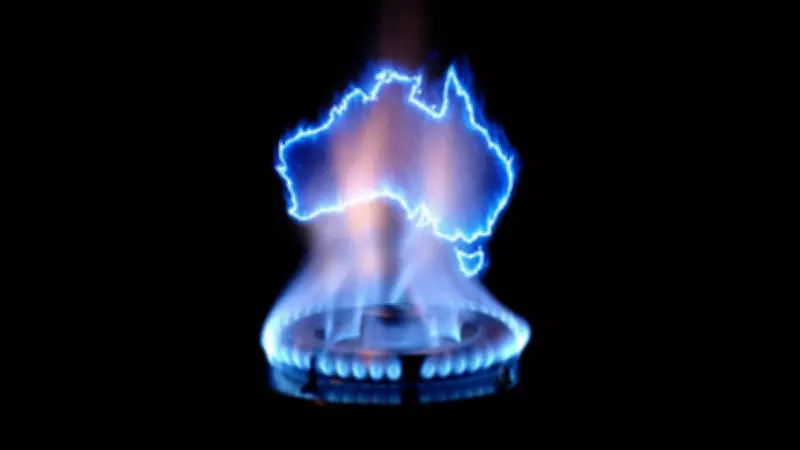
Australia's Resources Sector Sounds Alarm Over Reports of Gas Tax Exploration
The Australian resources sector has issued a stark warning and expressed deep concern after recent reports emerged suggesting that the Prime Minister's department is actively exploring various options for implementing a gas tax. This development has sent shockwaves through the industry, with stakeholders fearing that such a move could impose substantial financial burdens and undermine the sector's global competitiveness.
Industry Reaction and Economic Implications
Key players in the resources sector have raised alarm bells, highlighting the potential negative impacts on investment, job creation, and economic growth. Industry leaders argue that a new gas tax could lead to increased operational costs, which might be passed on to consumers or result in reduced profitability for companies. This comes at a time when the sector is already navigating challenges such as fluctuating commodity prices and regulatory pressures.
The exploration of gas tax options by the Prime Minister's department has sparked a heated debate about the future of Australia's energy policy. Proponents of the tax suggest it could generate revenue for government initiatives or support environmental goals, but opponents warn it could stifle innovation and deter foreign investment in the critical resources sector.

Political and Policy Context
This report surfaces amid ongoing discussions about Australia's energy transition and climate commitments. The Prime Minister's department's involvement indicates that gas taxation is being considered as a potential policy tool, possibly to align with broader economic or environmental strategies. However, the lack of official confirmation has left the industry in a state of uncertainty, with calls for transparency and consultation from government officials.
Stakeholders are urging the government to engage in open dialogue with the resources sector before making any decisions. They emphasize the importance of balancing fiscal objectives with the need to maintain a robust and competitive industry that contributes significantly to the national economy.
Potential Outcomes and Sector Concerns
If implemented, a gas tax could have wide-ranging effects:
- Increased costs for gas producers and related businesses.
- Potential job losses or reduced hiring in the resources sector.
- Impacts on energy prices for consumers and industries reliant on gas.
- Possible shifts in investment towards other energy sources or regions.
The resources sector is a cornerstone of Australia's economy, and any policy changes must be carefully weighed to avoid unintended consequences. As reports continue to circulate, the industry remains on high alert, advocating for policies that support sustainable growth without compromising competitiveness.