Fuel Excise Optimism Fades as Petrol Prices Surge Again
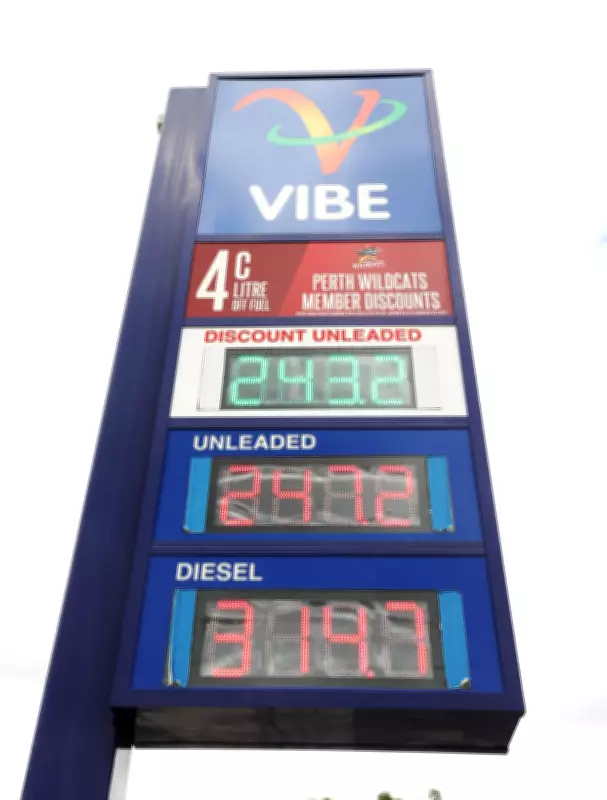
Initial optimism surrounding the temporary fuel excise cut has quickly faded, with petrol prices surging once more across Australia. This development raises significant concerns about ongoing cost-of-living pressures and the effectiveness of government interventions in managing economic challenges.
Rapid Reversal of Price Relief
When the federal government introduced a temporary reduction in the fuel excise earlier this year, many Australians welcomed the move as a much-needed reprieve from soaring petrol costs. However, this optimism has been short-lived, as prices at the pump have begun climbing again, erasing the brief period of relief. The excise cut, which was intended to provide immediate financial assistance to households and businesses, now appears to have offered only a temporary buffer against broader inflationary trends.
Experts point to several factors driving this resurgence in petrol prices. Global oil market volatility, supply chain disruptions, and geopolitical tensions have all contributed to the upward pressure on fuel costs. Additionally, the phased reintroduction of the full excise rate has started to take effect, further compounding the financial strain on consumers. This situation highlights the complex interplay between domestic policy measures and international economic forces.

Impact on Household Budgets and Economic Sentiment
The fading optimism over the fuel excise cut is having a tangible impact on household budgets and overall economic sentiment. Many families are finding it increasingly difficult to manage their weekly expenses, with petrol costs representing a significant portion of their outgoings. This is particularly challenging for those in regional and rural areas, where longer travel distances make fuel expenses even more burdensome.
The resurgence in petrol prices is also affecting business operations, especially in sectors reliant on transportation, such as logistics, agriculture, and retail. Higher fuel costs are being passed on to consumers through increased prices for goods and services, contributing to broader inflationary pressures. This creates a vicious cycle where temporary relief measures are quickly overshadowed by persistent economic challenges.
Government Policy Under Scrutiny
The rapid fading of optimism from the fuel excise cut has placed government policy under intense scrutiny. Critics argue that the temporary nature of the measure was insufficient to address the root causes of high petrol prices, which are often tied to global market dynamics. There are calls for more sustainable solutions, such as investments in alternative energy sources, improved public transport infrastructure, and long-term strategies to reduce dependence on fossil fuels.
In response, government officials have emphasized that the excise cut was always intended as a short-term measure to provide immediate relief during a period of economic uncertainty. They point to other initiatives aimed at tackling cost-of-living pressures, including support for energy efficiency and subsidies for low-income households. However, the quick return to high petrol prices has left many questioning the adequacy of these efforts.
Looking Ahead: Challenges and Opportunities
As fuel excise optimism fades, the focus shifts to future challenges and opportunities in managing petrol prices and cost-of-living issues. Key considerations include:
- The need for more resilient policy frameworks that can adapt to global economic shifts.
- Greater investment in renewable energy and electric vehicle infrastructure to reduce reliance on petrol.
- Enhanced support for vulnerable communities disproportionately affected by rising fuel costs.
- Improved transparency in petrol pricing to ensure fair competition and consumer protection.
Ultimately, the fading optimism from the fuel excise cut serves as a stark reminder of the complexities involved in addressing economic pressures. While temporary measures can provide short-term relief, sustainable solutions require a multifaceted approach that balances immediate needs with long-term goals. As petrol prices continue to fluctuate, the debate over effective government intervention is likely to intensify, shaping policy discussions in the months ahead.