Fuel Excise Cut Slammed as $2.6 Billion Inflationary Risk
In a bold move to address soaring fuel prices, the Albanese Government has implemented a fuel excise cut, but critics are warning it could pour $2.6 billion onto the inflationary fire. With global crude prices on a relentless upward trajectory, this temporary relief measure may be wiped out within weeks, leaving motorists and the economy in a precarious position.
A Short-Sighted Economic Solution
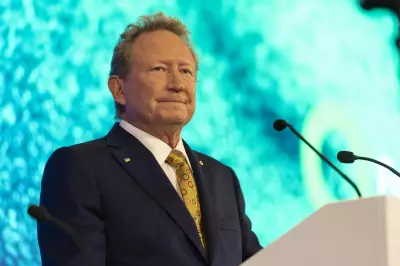
The decision to slash fuel excise in 2026 is being labelled as not only economically short-sighted but also politically fraught. Treasurer Jim Chalmers defends the move, insisting it is timely, temporary, and responsible, arguing that it does not contribute to inflation because of its brief nature. However, opponents point to past examples like Mark McGowan's "one-off" $600 power bill credit, which faced criticism for benefiting the wealthy alongside those in need.
Alan Duncan, director of the Bankwest Curtin Economics Centre, suggests the government has miscalculated. He advocates for more targeted support, such as means-tested aid for vulnerable households or direct subsidies to key industries, rather than a broad-based excise cut that could inadvertently drive up demand in a supply-constrained market.

Political and Practical Backlash
The Opposition finds itself in a bind, having previously called for similar measures, mirroring the Morrison Government's 2022 response to the Ukraine crisis. Yet, this repetition raises concerns about long-term fiscal responsibility. Taxpayers will ultimately bear the cost, whether through future tax hikes or reduced public services, highlighting the gamble inherent in such policies.
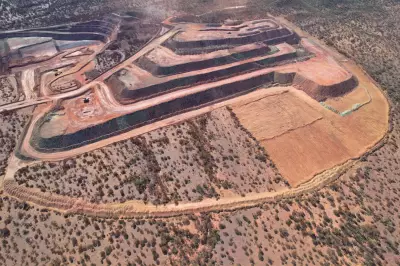
Moreover, the excise cut risks encouraging stockpiling over the next three months, as savings extend to those who may not need financial assistance or additional fuel. This could exacerbate supply issues, particularly in regions like Western Australia, where miners in the Goldfields are already facing diesel shortages and layoffs.
Demand Management Dilemma
Roger Cook, addressing fuel security, has ruled out mandated Covid-era restrictions, emphasizing voluntary measures for now. However, if supply levers are not pulled effectively, as seen in WA's delayed response to diesel distribution, the crisis could deepen. The government's reluctance to manage demand more aggressively may stem from fears of public non-compliance, but experts argue this approach fails to tackle the root of the problem.
As global conflicts, such as those in the Middle East, continue to disrupt oil markets, the Albanese Government's fuel excise cut appears to be a band-aid solution. While it aims to quell voter anxiety, the long-term implications for inflation and economic stability remain a pressing concern, calling into question whether this policy addresses perception over reality.