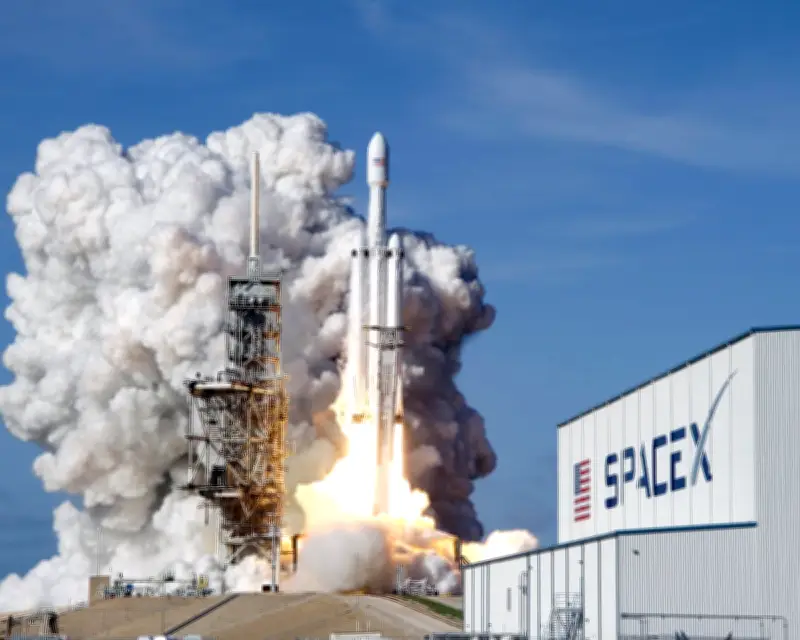
Elon Musk's SpaceX is poised to launch the biggest stock market debut in history, with shares set to be released on June 12 at a valuation of $135 billion. The company plans to sell 555.6 million shares, raising $75 billion. Up to a quarter of the shares could be reserved for individual investors, a larger proportion than typical for major IPOs.
How to Buy SpaceX Shares
The shares will be listed on the Nasdaq in New York. Even if you don't buy directly, you might end up owning some through index tracker funds or investment trusts. In the UK, trusts like Edinburgh Worldwide and Baillie Gifford US Growth already hold stakes. For individual purchases, platforms like AJ Bell and Hargreaves Lansdown are offering clients the chance to bid. In the US, you can buy through Charles Schwab, Fidelity, Robinhood, SoFi Technologies, and E*Trade.
Jason Hollands of BestInvest notes that UK-based retail investors typically find US IPOs difficult to access, but several brokers are offering this one due to strong demand. Minimum subscriptions are around £1,000, with applications closing next Wednesday. You can register your interest before the IPO, and the official price will be set on June 11 based on investor interest.

Will You Get All the Shares You Want?
If the IPO is oversubscribed, allocation methods are unclear. Dan Coatsworth of AJ Bell explains that investors might receive a portion of their requested amount, but it's rare to get nothing. Once listed, shares can be bought at any time, but prices can fluctuate.
Can You Influence Elon Musk?
No. Musk is not selling any shares and will retain 82.4% of voting power, so even large investors will have little say in company decisions.
Should You Buy?
It depends on your goals. If you want to own a piece of SpaceX, there's little to lose. As an investment, it's risky. Nils Pratley suggests the valuation may be too high, with potential for a price decline over time. Coatsworth highlights growth opportunities like US government defense work and the Starship reusable launch system, but also risks including launch failures, regulatory changes, competition, and Musk's controversial statements. Corporate governance is a concern given Musk's power.
Buying individual stocks is always higher risk than diversified funds. Hollands advises allocating only a small amount as a punt, and considering taking profits early if gains are substantial.