Telstra Under Fire for Allegedly Neglecting Aboriginal Community in Tower Plans
Telstra is facing serious accusations of sidelining Canberra's Aboriginal community, with two Ngunnawal elders claiming the telecommunications giant has broken its promise to involve them in discussions about the future of the iconic Telstra Tower. The allegations come at a time when significant doubts are surfacing about whether the ambitious target to reopen the 195-metre-high landmark by the end of 2027 can realistically be achieved.
Elders Express Frustration Over Lack of Consultation
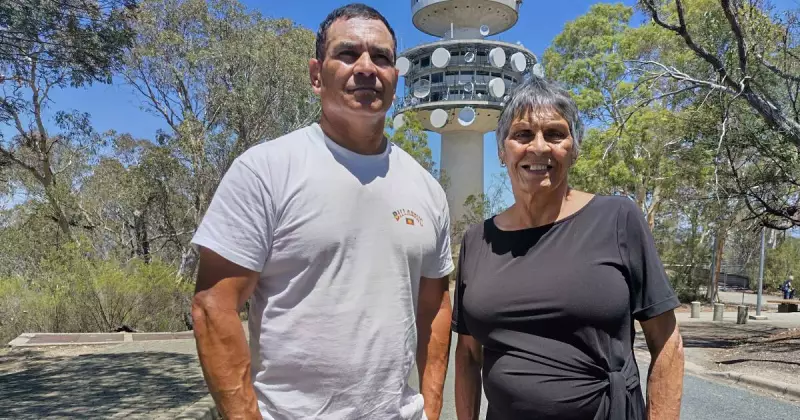
Standing in the shadow of the closed and barriered tower, Ngunnawal elders have voiced their deep disappointment. Elder Richie Allen, who has campaigned for eight years to transform the tower into a Ngunnawal cultural centre, stated emphatically, "Ngunnawal people get pushed aside. Ngunnawal culture gets put under the rug. We're sick of it." He emphasised that Telstra had made a firm commitment to include them at the negotiating table, but this has not materialised.
Elder Aunty Violet Sheridan echoed these concerns, revealing that rather than being consulted directly, she and Mr Allen often learn about decisions through news reports after they have already been made. Both elders clarified that their primary grievance lies with Telstra, not the ACT government, highlighting a perceived breach of trust by the company.

Uncertain Timeline for Reopening Amid Complex Negotiations
The path to reopening the Telstra Tower is fraught with challenges. An ACT government spokesperson indicated that the late 2027 target for stage one reopening remains subject to several critical factors. These include ongoing commercial negotiations between the government and Telstra, the successful procurement of a construction partner, and the smooth progression of construction works.
Key details of these negotiations have not been publicly disclosed, but they are expected to involve complex discussions on how to divide the substantial costs required to make the tower safe and functional as a tourist destination. This financial burden must be allocated between Telstra's shareholders and ACT taxpayers, adding a layer of economic complexity to the project.
Telstra and Government Responses to the Controversy
In response to the allegations, Telstra issued a statement asserting the cultural significance of the site. The company said, "Given the cultural significance of the site, it's critically important to us that the Ngunnawal traditional custodians are a part of the planning process." Telstra noted that the ACT government is leading the engagement efforts and is currently developing a plan with support from specialist advisors.
The ACT government outlined its approach, stating that over the next twelve months, it will work with Telstra to finalise commercial arrangements and refurbishment planning for the initial stage of the project. In parallel, the government committed to continuing engagement with Aboriginal and Torres Strait Islander communities to co-design cultural elements. It emphasised that cultural tourism features will be delivered in stages, aiming to balance meaningful community involvement with budgetary constraints and construction timelines.
Historical Context and Future Vision for the Iconic Tower
The Telstra Tower, originally known as the Telecom Tower, has a rich history. Commissioned in 1970 and opened in 1980 after a decade of controversy, it once served as a crucial telecommunications hub. However, its utility in that role diminished as technology advanced. Despite this, the structure endured as a beloved tourist attraction, famous for its revolving restaurant at the top and its night-time illuminations, which often glowed green for major Canberra Raiders games.
The revolving restaurant closed in 2013 following a bitter legal dispute, with its final meal served on Valentine's Day evening. The tower itself was closed indefinitely in 2021 as Telstra evaluated its future options. In 2024, the ACT government announced plans to collaborate with Telstra on redeveloping and reopening the tower, envisioning it as a revitalised iconic visitor destination. Proposed features include a café, retail space, and observation deck, with architectural visions already suggesting a transformed appearance.

The elders have received support from prominent figures, including Senator David Pocock and Thomas Emerson MLA, underscoring the broader political and community interest in ensuring the project respects Ngunnawal cultural heritage. As negotiations continue, the commitment to meaningful Aboriginal consultation remains a pivotal issue that could define the tower's legacy and its successful revival as a cultural and tourist landmark for Canberra.