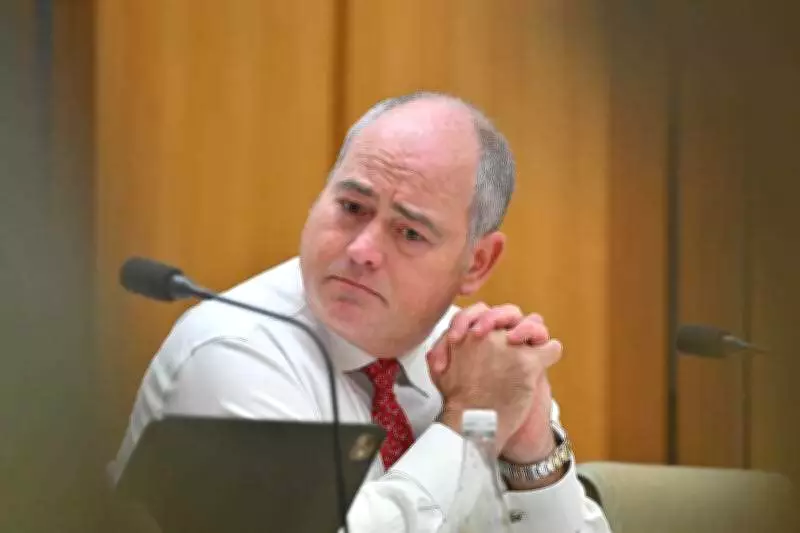
National Australia Bank (NAB) chief executive Andrew Irvine has issued a stark warning that Australia could slip into a recession as the ongoing global oil crisis fuels inflation and increases the likelihood of further interest rate hikes.
Economic Outlook Deteriorates
Speaking at a business summit in Sydney, Irvine highlighted the deteriorating economic conditions both domestically and internationally. He pointed to the surge in oil prices, which have been driven by geopolitical tensions and supply constraints, as a key factor threatening the Australian economy.
“The combination of persistent inflation and the potential for higher interest rates creates a challenging environment for households and businesses,” Irvine said. “We cannot rule out the possibility of a recession if these conditions persist.”

Impact on Households and Businesses
Irvine noted that Australian households are already feeling the pinch from rising living costs, with energy prices and grocery bills climbing. Small and medium-sized enterprises are also under pressure, facing higher input costs and reduced consumer spending.
“Many families are having to make difficult choices, and we are seeing a slowdown in discretionary spending,” he added. “This is a concern for the broader economy.”
Interest Rate Uncertainty
The NAB chief’s comments come amid speculation that the Reserve Bank of Australia (RBA) may need to raise interest rates further to combat inflation. The RBA has already lifted rates multiple times over the past year, but the oil crisis threatens to keep inflation elevated.
“The central bank is walking a tightrope,” Irvine explained. “They need to balance the need to control inflation with the risk of tipping the economy into a downturn.”
Global Factors at Play
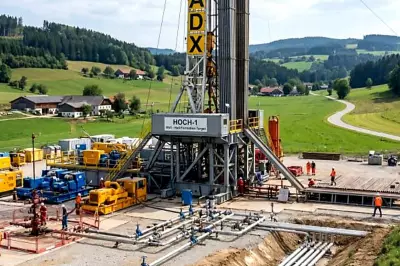
The oil crisis has been exacerbated by recent production cuts from major oil-exporting nations and ongoing conflicts in key producing regions. This has sent global energy prices soaring, impacting economies worldwide.
Australia, as a net importer of oil, is particularly vulnerable to these price shocks. Higher fuel costs ripple through the economy, increasing transportation and production expenses across various sectors.
Government Response
Irvine called on the federal government to consider measures to alleviate pressure on consumers and businesses, such as targeted cost-of-living relief or investment in renewable energy to reduce reliance on imported oil.
“While monetary policy is the primary tool for managing inflation, fiscal policy can play a supporting role,” he said. “We need a coordinated approach to navigate these challenging times.”
Recession Risks
Economic analysts have been divided on the likelihood of a recession, but Irvine’s warning adds weight to the more pessimistic forecasts. A recession would mark a significant downturn for Australia, which has enjoyed a long period of economic growth.
“We are not predicting a recession, but the risks are certainly rising,” Irvine concluded. “Businesses and policymakers need to be prepared for a range of scenarios.”