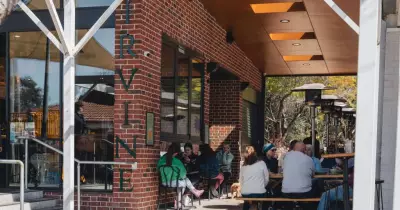
The director of a popular Geelong craft beer brand received a significant payment from his struggling Torquay cafe business just months before it collapsed, leaving a trail of debts exceeding $1.2 million.
A Preferential Payment Before the Fall
Nick Cogger, the founder and director of Better Beers, was paid a settlement of $45,000 by the company operating the Bottle of Milk cafe in Torquay. This payment occurred in June 2023, a critical period just before the business entered voluntary administration and subsequent liquidation.
The cafe, a well-known fixture on The Esplanade, officially appointed administrators from Worrells Solvency & Forensic Accountants on August 1, 2023. Despite efforts to sell the business as a going concern, it was ultimately placed into liquidation in October 2023.

Creditors Left Facing Massive Shortfall
The fallout from the collapse has been severe for unsecured creditors. According to the liquidator's report to the Australian Securities and Investments Commission (ASIC), creditors are owed a staggering $1,227,648.
A significant portion of this debt, approximately $900,000, is owed to the Australian Taxation Office (ATO). Other creditors left out of pocket include local suppliers, trade contractors, and the landlord of the Torquay property.
The liquidators have confirmed they are investigating the $45,000 payment to Mr. Cogger as a potential unfair preference transaction. Such payments, made to a director or related party when a company is insolvent or nearing insolvency, can be clawed back by a liquidator to be distributed fairly among all creditors.
The Business Landscape and Director's Response
Nick Cogger is a prominent figure in the Geelong hospitality scene, known primarily for the Better Beers brand. The Bottle of Milk Torquay was operated under a separate company entity, BOM Torquay Pty Ltd.
When approached for comment by the Geelong Advertiser, Mr. Cogger acknowledged the payment but framed it as part of a broader financial restructuring. He stated the funds were related to historical director's loans and expenses, suggesting the payment was a legitimate settling of accounts within the group's complex financial structure.
However, the liquidator's report paints a clear picture of a business in deep financial distress at the time of the payment. The investigation into the transaction's timing and nature is a standard procedure in liquidations, aimed at ensuring all creditors are treated equitably under the Corporations Act.
The collapse has resulted in a devastating return for creditors. The liquidators estimate a final dividend of zero cents in the dollar, meaning unsecured creditors are unlikely to recover any of the money they are owed.
This case highlights the risks for small businesses and suppliers when dealing with companies in financial trouble. It also underscores the legal responsibilities of directors to avoid transactions that prefer themselves over other creditors when insolvency looms.