Western Australian Parents Outraged by AI Seatbelt Camera Penalties
Parents across Western Australia are voicing intense frustration over newly deployed artificial intelligence safety cameras that are issuing hefty fines to drivers when their children adjust their seatbelts, often without the driver's knowledge. These high-tech surveillance systems have resulted in hundreds of $550 fines and eight demerit point penalties for unsuspecting parents, even in cases where seatbelts are moved only briefly during trips.
Personal Stories Highlight the Issue
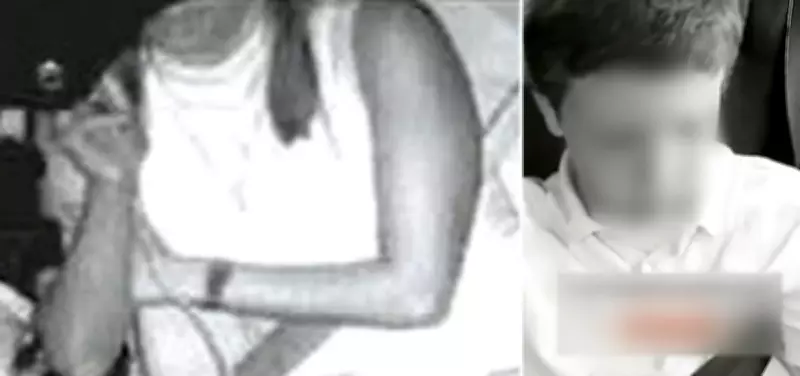
Lisa Taylor experienced a shocking surprise when a fine arrived in her mailbox after her 10-year-old neurodivergent daughter momentarily shifted her seatbelt off her shoulder during a car journey. "My understanding from her perspective was the seatbelt was hurting her. She does have a profile where she does struggle with sensory problems," Taylor explained, underscoring the challenges faced by families with special needs.
She is not alone in this predicament. Triple M radio host Xavier Ellis also found himself penalized by the cameras, admitting, "I didn’t realise how much the onus was on the driver to continuously keep checking children and whatnot, how they’re harnessed in at all times." This sentiment echoes among many parents who feel the system is overly punitive.

How the AI Cameras Operate
The AI software integrated into these cameras automatically reviews every captured image for potential seatbelt offences. If a violation is suspected, the image undergoes a manual review by at least two individuals before any infringement notice is issued. This process aims to ensure accuracy but has led to contentious outcomes.
WA Police Commissioner Col Blanch acknowledged the complexity, stating, "There are genuine cases. Those ones will always be difficult. And I think the team that do run this process need to know that there will be exemptions from time to time." His comments suggest a recognition of the need for flexibility in enforcement.
Unexpected Trends and Official Responses
The Road Safety Commission has taken note of the issue, shifting back to an educational approach after identifying an unexpected pattern. Road Safety Commissioner Adrian Warner revealed, "What we didn’t know is that about 80 per cent of the offences we’re detecting now with these new cameras involves someone who has it clipped in, but they’re just not wearing it correctly." This statistic highlights a widespread misunderstanding of proper seatbelt usage, prompting calls for clearer public awareness campaigns.
As the debate continues, parents are urging authorities to consider exemptions for legitimate cases, such as those involving children with sensory issues, while balancing road safety objectives. The situation underscores the growing intersection of technology and everyday parenting challenges in modern Australia.