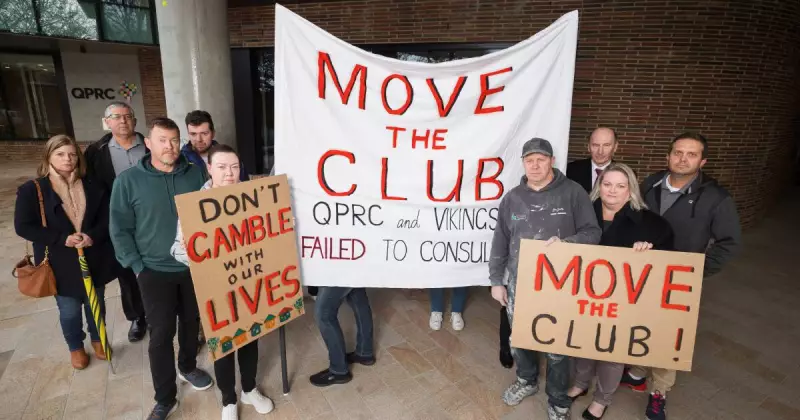
The announcement that the Vikings Group will shut its Chisholm venue at the end of January 2026 has ignited anger and disappointment among local residents and long-time members. After serving the community for 36 years, the closure is viewed as a significant loss of a valued social hub.
A Community Asset Lost
In a letter to the editor, D. Brown of Gilmore described the decision as a 'slap in the face' to the club's patrons and the wider community. The Chisholm club is known for its consistent patronage throughout the week, serving as a place where people gather to watch sports, enjoy meals, and connect with friends and family.
The Vikings Group has pointed to financial pressures stemming from the ACT government's poker machine reforms and other taxes, including those on alcohol, as primary reasons for the closure. However, critics argue that other licensed clubs in the territory face the same regulatory environment yet continue to operate without relocating.

Border Hop to Jerrabomberra Raises Eyebrows
The controversy is compounded by the group's simultaneous plan to develop a new club across the border in Jerrabomberra, New South Wales. This move is perceived by many as an attempt to capitalise on more favourable poker machine laws in NSW, effectively abandoning the ACT community that supported the club for decades.
"The Vikings Group should not be able to 'develop' the land at Chisholm for their own interests as it is an established and valued community asset already," Brown wrote. The letter calls on the ACT government to explore options for the site to be taken over and run by another club genuinely invested in the local area.
Broader Canberra Issues in the Spotlight
The closure of the Vikings Club in Chisholm was just one of several community concerns raised by Canberra Times readers in a recent letters section. Other topics included:
- ANU School of Music: Susan Boden of Narrabundah expressed that a recent reprieve for the school came too late for many students and families who had already made alternative plans after a loss of trust in the institution.
- Tuggeranong Lake Algae: Jost Steller of Deakin challenged the government's suggestion that resident leaf litter is a major cause of blue-green algae, instead blaming reduced street sweeping frequency.
- Federal Voting System: Jenny Goldie of Cooma argued the system is "broke," citing a misalignment between the percentage of votes and seats won, and suggested multi-member electorates like those in the ACT as a model for reform.
- Defence Spending: Multiple letters questioned massive cost blowouts in defence projects, including the AUKUS submarine program, and the economic waste of global weapons spending.
The collective voice in these letters underscores a keen public engagement with issues ranging from hyper-local community losses to national policy debates, reflecting the diverse concerns of Canberrans.