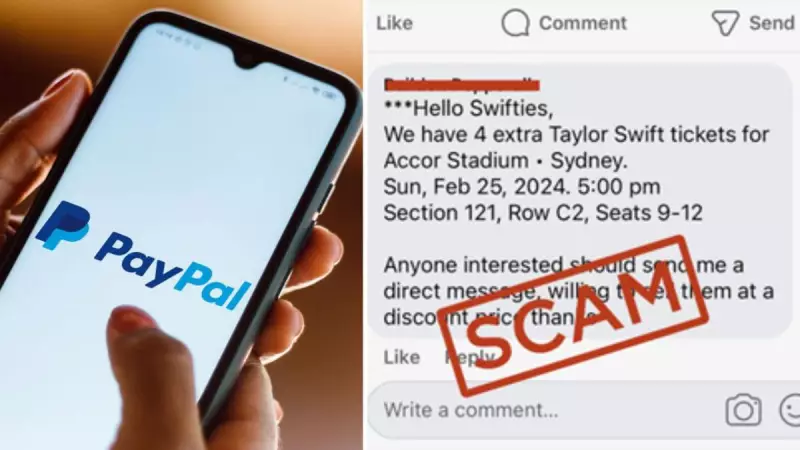
Australian music and sports fans are being stung for hundreds of dollars each time they fall victim to ticket scams, according to alarming new research. A study commissioned by PayPal has revealed the average financial loss per scam incident now sits at a hefty $432.
The Rising Tide of Ticket Fraud
The data, gathered from a nationally representative survey of 1,021 Australians aged 18 to 75 in early October, paints a concerning picture. It found that one in five Australians have encountered suspicious links or fake listings while trying to buy tickets online. For those who were scammed while purchasing concert or event tickets, nearly half (48 per cent) lost between $100 and $499.
The research highlights a generational divide in losses. While 15 per cent of Gen Z and Millennial victims reported losing $750 or more, not a single survey respondent over the age of 45 reported a loss that extreme. This suggests younger demographics may be taking bigger financial risks in their pursuit of tickets.

Social Media: A High-Risk Marketplace
In response to the threat, just over half of all respondents said they now completely avoid buying tickets through social media platforms. This caution is well-founded. Earlier this year, the Australian Banking Association specifically warned football fans to steer clear of Facebook Marketplace when searching for seats, noting the nation had lost roughly $26 million to buying and selling scams in 2024 alone.
The association advised fans to be extremely wary of sellers requesting payment via cryptocurrency or direct bank transfer, and to scrutinise any unsolicited emails or messages offering tickets. However, PayPal notes that for many, “the lure of a bargain continues to drive risky behaviour.” About one in twelve Australians admit they would “take the risk” on a potentially dubious ticket sale if the price seemed too good to ignore. This figure more than doubles to 18 per cent when looking solely at Gen Z respondents.
Celebrity Warnings and the FOMO Factor
The issue of ticket reselling and scams has even drawn comments from artists. Last month, pop star Olivia Dean urged fans to avoid buying tickets from comments sections on social media, after resale prices for her 2026 tour soared beyond $750. “I’m sorry that there appears to be an issue with the ticket re-selling and pricing... Please be wary of buying tickets in the comments sections as it is most likely a scam,” Dean said. Ticketmaster later confirmed it would apply a resale price cap to her upcoming concerts.
This fear of missing out (FOMO) is a major driver of risky behaviour, according to PayPal Australia's Chief Information Security Officer, Sascha Hess. “Scammers know that when tickets sell out fast, fans can be tempted to take risks,” Hess said. “Unfortunately, fake tickets don’t just cost you money, they can rob you of the experience itself.”
Despite 53 per cent of Australians acknowledging that secure payment methods like PayPal's Buyer Protection can make purchases safer, the study found that only six per cent of scammed buyers had actually used such protection. This gap between awareness and action leaves many vulnerable to significant financial and emotional loss.