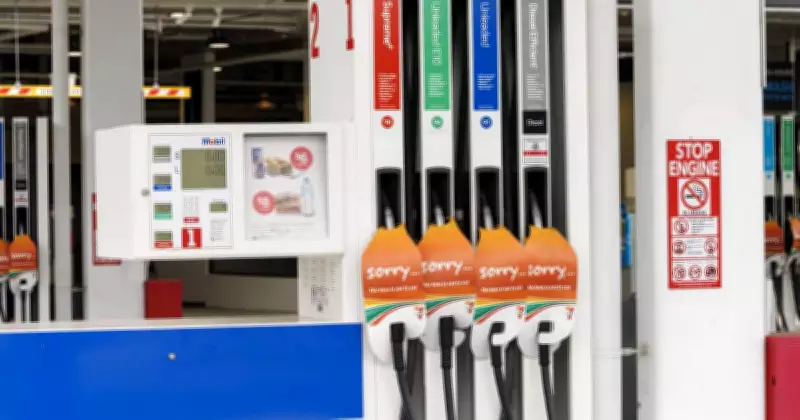
Australian Motorists Endure Persistent Fuel Pain Amid Global Developments
Despite a recent ceasefire in key conflict areas that initially sparked hopes for relief, Australian consumers are still facing significant pain at the petrol pump. The global oil market's complex dynamics and domestic factors have combined to keep fuel prices stubbornly high across the nation.
Global Ceasefire Fails to Deliver Immediate Price Relief
The announcement of a ceasefire in regions affecting oil production had led to expectations of a swift drop in petrol costs. However, this has not materialised as anticipated. Market analysts point to ongoing supply chain disruptions and geopolitical uncertainties that continue to exert upward pressure on crude oil prices, which directly influence what Australians pay for fuel.
Local Factors Exacerbate the Situation
In Australia, additional elements are contributing to the sustained high prices. Refinery margins, transportation costs, and retail competition levels all play a role in determining the final price consumers see at service stations. Recent data indicates that metropolitan areas, in particular, are experiencing prices well above the national average, with some regions seeing fluctuations that add to consumer frustration.

Expert Insights on Future Trends
Energy economists suggest that while the ceasefire is a positive step, its impact on petrol prices may be delayed or muted. Factors such as seasonal demand, currency exchange rates, and inventory levels are critical in shaping short-term price movements. Consumers are advised to monitor local price cycles and shop around for the best deals, as disparities between retailers can be substantial.
The situation underscores the interconnected nature of global energy markets and their direct effect on everyday Australians. As the world watches how the ceasefire unfolds, motorists here remain caught in a cycle of high fuel costs, with little immediate respite in sight.