Cyclone Maila Poses Unpredictable Threat to Coen as Forecasters Warn of Potential Path Changes
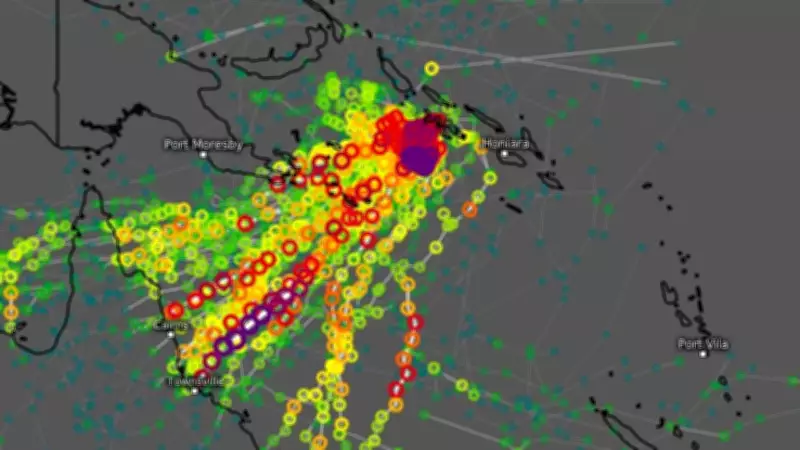
Forecasters have issued a critical warning as Cyclone Maila sets its sights on the remote community of Coen in Far North Queensland, with experts cautioning that the storm's path remains highly unpredictable and could shift unexpectedly. The cyclone, which has been intensifying over the Coral Sea, is currently tracking towards the coastal region, raising alarms for residents and emergency services alike. Meteorologists are closely monitoring the system, noting that atmospheric conditions could alter its trajectory at any moment, potentially impacting other areas along the Queensland coast.
Uncertainty Surrounds Cyclone Maila's Movements
The Bureau of Meteorology has highlighted the inherent unpredictability of Cyclone Maila, emphasizing that while Coen is the primary target, the storm's path is not set in stone. Factors such as wind shear, ocean temperatures, and pressure systems are contributing to this uncertainty, making it challenging for forecasters to provide definitive predictions. This has led to heightened vigilance in communities across the region, with authorities urging residents to stay informed through official updates and prepare for possible evacuations or severe weather conditions.
In Coen, a small town known for its rugged outback landscape, local officials have activated emergency response plans, including setting up shelters and distributing sandbags. The potential for heavy rainfall, destructive winds, and flooding is a major concern, particularly given the area's vulnerability to such events. Historical data shows that cyclones in this region can cause significant damage to infrastructure and disrupt essential services, underscoring the need for proactive measures.

Forecasters Stress the Importance of Preparedness
As Cyclone Maila approaches, forecasters are stressing the critical importance of preparedness for all residents in Far North Queensland. They recommend that people secure loose items around their properties, stock up on emergency supplies such as food, water, and medications, and have a clear evacuation plan in place. The unpredictability of the cyclone's path means that even areas not currently in the direct line of sight could be affected if the storm veers off course, making broad-based readiness essential.
Emergency services, including the State Emergency Service and local police, are on high alert, conducting drills and coordinating resources to respond swiftly to any developments. Social media and local news outlets are being utilized to disseminate real-time information, helping to keep the public informed as the situation evolves. This collaborative effort aims to minimize risks and ensure community safety in the face of the looming threat.
Potential Impacts on Regional Infrastructure and Environment
Beyond immediate safety concerns, Cyclone Maila could have lasting impacts on regional infrastructure and the environment. Roads and bridges in remote areas like Coen are particularly susceptible to damage from flooding and landslides, which could isolate communities and hinder recovery efforts. Additionally, the storm may affect local ecosystems, including coral reefs and wildlife habitats, with potential long-term consequences for biodiversity and tourism in Far North Queensland.
Experts note that climate change may be influencing the frequency and intensity of such weather events, making it crucial for policymakers to invest in resilient infrastructure and adaptive strategies. As Cyclone Maila demonstrates, the ability to predict and respond to natural disasters is becoming increasingly vital in a changing climate, highlighting the need for ongoing research and community engagement.
In summary, while Cyclone Maila is currently targeting Coen, its unpredictable nature means that all residents in Far North Queensland should remain vigilant and prepared. Forecasters continue to monitor the situation closely, with updates expected as the storm progresses. By heeding warnings and taking proactive steps, communities can better navigate the challenges posed by this potentially dangerous weather system.