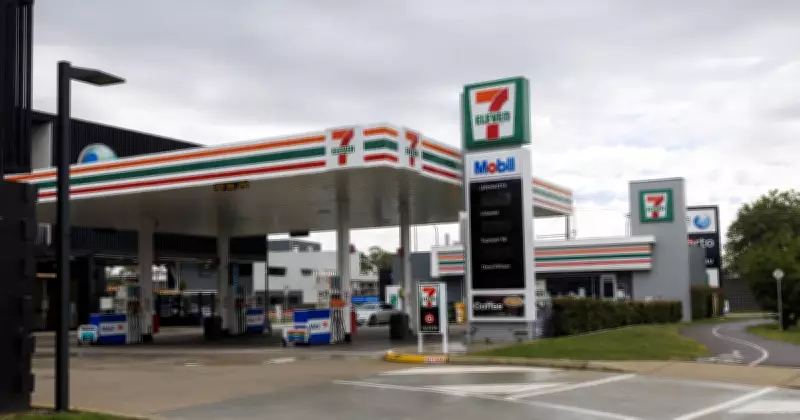
Fuel Prices Dip Across Australia, Offering Relief at the Pumps
Australian motorists are experiencing a welcome decrease in fuel prices this April, with experts forecasting that this downward trend could continue in the coming weeks. This development comes as a significant relief for households and businesses grappling with persistent cost-of-living pressures across the nation.
Current Price Trends and Regional Variations
According to recent market data, the average price for unleaded petrol has fallen by several cents per litre in major cities, including Sydney, Melbourne, and Brisbane. Diesel prices have also seen a notable decline, providing some respite for the transport and logistics sectors. Regional areas are similarly benefiting, though price fluctuations can vary based on local competition and supply chains.
Key factors driving this price dip include:

- A temporary oversupply in global oil markets, leading to lower wholesale costs.
- Seasonal demand patterns, with reduced consumption during the autumn months.
- Increased competition among retailers, prompting more aggressive pricing strategies.
Expert Predictions and Economic Implications
Industry analysts suggest that fuel prices may continue to ease over the next month, barring any unforeseen geopolitical events or supply disruptions. This trend is expected to positively impact inflation rates and consumer spending, as lower transport costs can help alleviate broader economic strains.
"This price drop is a timely boost for Australian consumers," said one economist. "With fuel being a major component of household budgets, even small reductions can translate into meaningful savings for families and businesses alike."
However, experts caution that the global oil market remains volatile, and prices could rebound quickly if production cuts or conflicts arise. Motorists are advised to monitor local price cycles and fill up during low points to maximise savings.
Long-Term Outlook and Consumer Advice
Looking ahead, the long-term trajectory of fuel prices will depend on factors such as international oil policies, environmental regulations, and shifts towards electric vehicles. In the short term, consumers can take advantage of apps and websites that track real-time fuel prices to find the best deals in their area.
Overall, this April fuel price dip is a positive development for Australia, offering a brief reprieve from high costs and highlighting the interconnected nature of global energy markets. As the situation evolves, staying informed will be key for making savvy financial decisions at the pump.