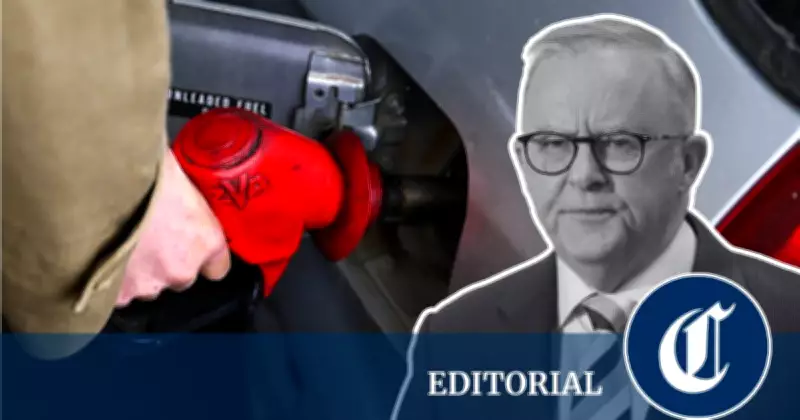
The Hidden Long-Term Costs of Australia's Fuel Excise Cut for Motorists
The Australian government's temporary reduction in the fuel excise has provided immediate relief for drivers facing soaring petrol prices, but experts are raising alarms about the hidden long-term costs that could burden motorists in the future. While the cut lowers fuel costs at the pump, it may lead to deferred infrastructure funding and broader economic repercussions that outweigh the short-term benefits.
Short-Term Relief Versus Long-Term Consequences
The fuel excise cut, implemented as a response to rising global oil prices, has been welcomed by many Australians struggling with cost-of-living pressures. However, this measure is not without its drawbacks. By reducing the excise, the government is forgoing significant revenue that is typically earmarked for critical road and transport infrastructure projects across the country.
This deferred funding could result in delayed maintenance, fewer new road constructions, and inadequate public transport upgrades, ultimately leading to poorer driving conditions and increased congestion for motorists. Over time, these infrastructure gaps may necessitate higher taxes or tolls to cover the shortfall, shifting the financial burden back onto drivers.

Economic Impacts and Future Financial Strain
Beyond infrastructure, the fuel excise cut has broader economic implications. The reduction in government revenue may impact budget allocations for other essential services, such as healthcare and education, potentially leading to indirect costs for households. Additionally, if the excise is reinstated at a higher rate in the future to compensate for lost funds, motorists could face steeper fuel prices than before the cut.
Economists warn that such temporary measures can create uncertainty in the market, affecting investment in renewable energy and alternative transport solutions. This could slow the transition to more sustainable options, leaving motorists reliant on fossil fuels and vulnerable to future price shocks.
Expert Warnings and Policy Considerations
Industry analysts emphasize that while the fuel excise cut offers immediate savings, it is a short-sighted solution that fails to address the root causes of high fuel costs. They advocate for more sustainable policies, such as investing in electric vehicle infrastructure or improving fuel efficiency standards, which could provide lasting benefits without compromising long-term financial stability.
Motorists are advised to consider these hidden costs when evaluating the true impact of the excise cut. As the government reviews its policy, stakeholders call for a balanced approach that supports drivers without sacrificing future infrastructure and economic health.