As households tighten budgets across the country, more Australians are having to weigh up everyday bills against the safety of the car sitting in the driveway, delaying critical repairs and routine servicing.
New national research suggests about 4.3 million adults have pushed back or skipped some form of routine vehicle maintenance in the past 12 months, while 1.1 million admit they skipped most or all servicing altogether.
The study, commissioned by Supercheap Auto and conducted by YouGov, found nearly two in three Australians (64 per cent) say they have delayed or would delay maintenance on the vehicle they drive most often, with 43 per cent blaming financial pressure.

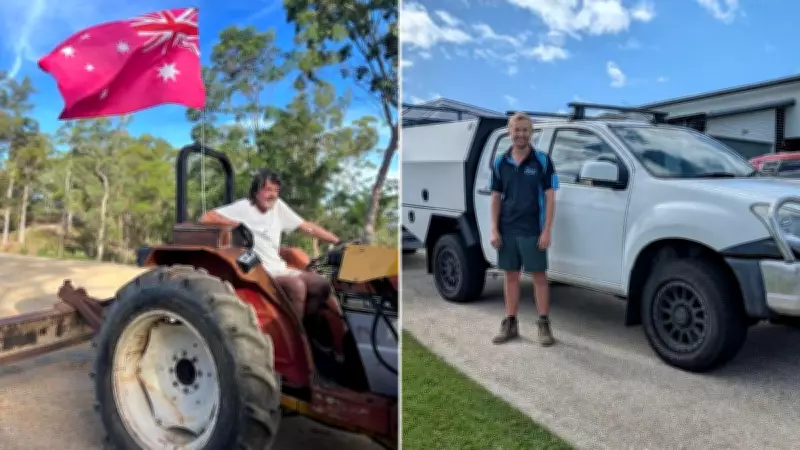
For 75-year-old retiree Barry Devine, a former truck driver who spent more than two decades in transport before running his own transport company, those difficult financial choices have become increasingly common.
“I’ve had to delay a number of repairs and servicing jobs because of the rising cost of living,” Devine told 7NEWS.com.au.
“A standard brake job was going to cost roughly $600, and a regular service was around $180. On top of that, there were other repairs needed including control arm bushes, engine mounts, centre bearing and tie rod ends totalling over $1000 worth of work minimum.”
His situation reflects a growing national concern, with many people knowing their vehicles need repairs but the money simply is not there.
Nationally, scheduled logbook services are now the most commonly delayed maintenance task, put off by 47 per cent of drivers who have skipped servicing, followed by oil and filter changes at 29 per cent and tyre rotations at 26 per cent.
Devine said many Australians were now being forced into dangerous compromises.
“It’s very concerning,” he said. “When people are forced to delay repairs, vehicles can quickly become a safety issue not just for the driver, but for all road users.”
About 3.2 million people admit they have some doubt about whether their vehicle is fully roadworthy, while an estimated 659,000 drivers know their car has safety issues but continue driving anyway.
The study also revealed what researchers described as a “confidence gap” among motorists delaying maintenance. Almost half (49 per cent) of drivers who only act when something goes wrong still say they are “very confident” their vehicle is safe, while 42 per cent of those who skipped most or all maintenance also believe their cars remain roadworthy.
Like many older Australians, Devine relies heavily on his vehicle to attend medical appointments and carry out daily errands. Without reliable public transport alternatives, he said there had been times he kept driving despite knowing repairs were needed.
“Yes, absolutely,” he said. “In many cases there’s simply no other option, especially when the vehicle is your only mode of transport.”
Drawing on a lifetime of experience working on cars, agricultural machinery and heavy vehicles, Devine still maintains his car with help from family, including his apprentice mechanic step-granddaughter.
Queensland carpenter Dalton Best, 27, said servicing his ute which doubles as his work vehicle had become increasingly difficult as costs climbed and pressure mounted on the family-run business he works for.
Best said routine services costing about $750 every three to four months were sometimes pushed back “a month or two” because bills and business expenses had to come first.
“The increased prices and cost of living have made it a lot more difficult to stay on top of servicing my ute,” Best told 7NEWS.com.au.
The YouGov data found Gen Z drivers were the most likely of any generation to delay or skip maintenance, with 41 per cent admitting they had done so in the past year.
“I have delayed replacing brake pads as it’s about $100 per brake pad to replace myself,” Best said.
Younger drivers overall were also twice as likely as Baby Boomers to say they knew they should be doing more maintenance but simply could not afford it. Best said many younger Australians were increasingly relying on DIY repairs and online tutorials to reduce costs.
“I think a lot of younger Australians either don’t service or repair at all or do it themselves, with the help of YouTube,” he said.

About one in three (34 per cent) reported experiencing at least one issue in the past 12 months potentially linked to delayed servicing.
That included dashboard warning lights, costly emergency repair bills, being told by mechanics maintenance had become critical, breakdowns while driving and even near-miss safety incidents on the road.
Drivers in Victoria and NSW were the most likely to say they had delayed or would delay maintenance, while South Australians were among the least confident in their vehicle’s roadworthiness and more likely to only act once something went wrong.
Supercheap Auto business manager Joel Dauber said the consequences of deferred maintenance are already emerging.
“There are multiple safety risks when delaying maintenance,” Dauber said. “The key ones I would highlight though are worn brake pads, damaged rotors and old brake fluid.
“This reduces your car’s ability to effectively stop increasing the risk of a crash.”
He also pointed to tyre failures caused by delayed rotations, low inflation and overdue replacements, particularly during wet weather.
“We have all felt some slippage on wet roads,” he said.
Dauber said warning signs such as squealing brakes, longer stopping distances, dashboard alerts and visible tyre damage should never be ignored, even during periods of financial hardship.
Australia’s ageing vehicle fleet is adding another layer to the problem, with more drivers keeping older cars on the road for longer as upgrading to a newer model places even greater strain on household budgets.
“We have an older vehicle fleet on the road here in Australia with the average now surpassing 11 years,” Dauber said.
Rising fuel prices linked to the ongoing Iran conflict have also added further pressure on households already struggling with vehicle costs, with millions of drivers forced to spend more at the bowser while cutting back elsewhere.