Western Australia's dairy industry is facing an existential threat, with a wave of farmers leaving the land as they are squeezed between skyrocketing operational costs and unsustainably low prices paid for their milk by major supermarkets.
A Sector in Steep Decline
The numbers paint a stark picture of decline. Over the past two decades, the number of dairy farms in Western Australia has collapsed from approximately 300 to a mere 135. This alarming trend shows no sign of slowing, with industry leaders warning that without immediate intervention, the state's entire dairy supply chain is at risk.
At the heart of the crisis is a brutal financial pincer movement. On one side, farmers are grappling with soaring input costs for essentials like fertiliser, feed, energy, and labour. These expenses have risen dramatically, eroding already thin profit margins. On the other side, the farmgate price they receive for their milk has failed to keep pace, largely held down by fierce price competition between retail giants Coles and Woolworths.

The Supermarket Price War and Farmer Pain
The situation has been exacerbated by a recent aggressive pricing move. Coles slashed the price of its home-brand milk to just $1.60 for a two-litre bottle, a price point that industry advocates argue is unsustainable for producers. Woolworths quickly followed suit, igniting a price war that further pressures the money that ultimately trickles back to the farm.
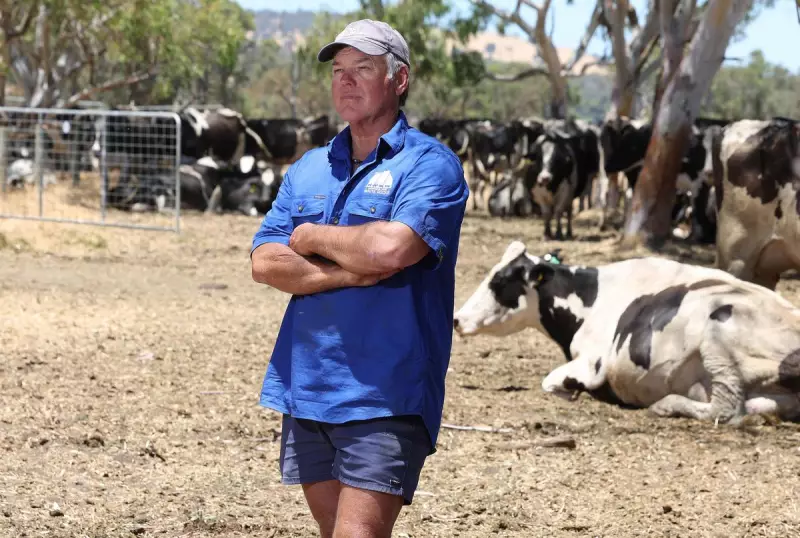
Industry figures like Western Dairy chairman Michael Partridge have voiced grave concerns. Partridge, who also runs a dairy farm in Brunswick, stated that the current retail price for milk is simply "not viable" and fails to reflect the true cost of production. He emphasised that when supermarkets engage in such deep discounting, it is the farmers who bear the brunt, sacrificing their own profitability.
The human cost is immense. Farmers like Steve Hossen, who operated a dairy in Donnybrook for 27 years, have made the heartbreaking decision to leave the industry. After selling his herd, Hossen described the emotional toll, noting the immense stress and pressure that finally led to his exit. His story is not unique but part of a growing exodus.
Broader Impacts and Calls for Action
The ramifications extend far beyond individual farm gates. A shrinking local dairy industry threatens regional communities, reduces employment, and weakens Western Australia's food security. There is a growing fear that the state will become increasingly reliant on milk transported from the eastern states, which is both less fresh and carries a larger environmental footprint due to transport.
In response to the crisis, industry bodies are calling for several key actions. There is a strong push for greater transparency and fairness in the supply chain, ensuring farmers receive a price that covers their costs and allows for reinvestment. Advocates are also urging consumers to consider the long-term value of supporting local dairy producers, potentially by choosing branded milk over home-brand options where more money returns to the farmer.
The federal government has also stepped in, with the Australian Competition and Consumer Commission (ACCC) directed to investigate the pricing practices of supermarkets. This inquiry will scrutinise the relationship between farmgate prices, supermarket margins, and shelf prices. While welcomed, many farmers feel action cannot come soon enough to halt the current wave of departures.
The future of WA's dairy industry hangs in the balance. Without a structural shift that ensures farmers can operate profitably, the current trend of decline seems set to continue, risking the loss of a vital pillar of the state's agriculture and food sovereignty.