North Queensland Sugar Industry Under Threat as Iran War Pushes Diesel Costs Higher
The North Queensland sugar industry is facing a severe crisis, with escalating conflict in Iran driving diesel prices to unprecedented levels. This surge in fuel costs is placing immense pressure on farming operations, threatening the viability of one of Australia's key agricultural sectors.
Impact of Rising Diesel Prices on Sugar Farming
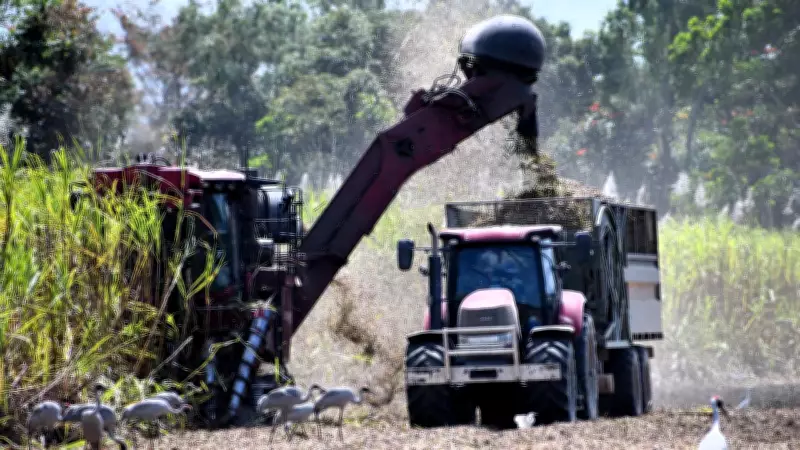
Diesel is a critical component in sugar farming, powering machinery for planting, harvesting, and transportation. The recent spike in prices, linked to geopolitical tensions in Iran, has significantly increased operational expenses for farmers across North Queensland. Many are now grappling with reduced profit margins, forcing difficult decisions about crop management and future investments.
Local economies heavily reliant on sugar production are feeling the strain, with potential job losses and decreased community spending looming if the situation does not improve. Industry leaders warn that sustained high diesel costs could lead to long-term damage, including reduced crop yields and increased reliance on imports.

Geopolitical Factors and Market Volatility
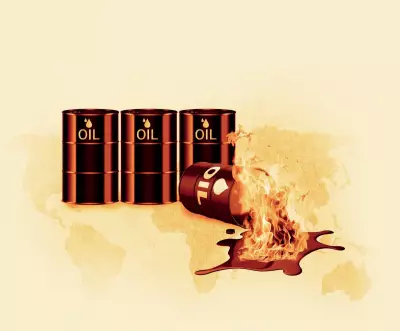
The conflict in Iran has disrupted global oil supplies, contributing to volatility in fuel markets worldwide. In Australia, this has translated into sharp increases in diesel prices, with North Queensland particularly vulnerable due to its remote location and dependence on transportation for sugar exports. Experts note that the situation highlights the interconnectedness of global events and local industries, underscoring the need for strategic planning and support.
Farmers are calling for government intervention to mitigate the impact, including subsidies or relief packages to help offset rising costs. Without such measures, the sustainability of the sugar industry in the region could be at risk, affecting not only agricultural output but also regional employment and economic stability.
Future Outlook and Industry Response
Industry stakeholders are exploring alternatives to reduce dependency on diesel, such as investing in renewable energy sources or more fuel-efficient technologies. However, these solutions require time and capital, which many farmers currently lack due to financial pressures. In the short term, the focus remains on managing costs and advocating for policy changes to address the crisis.
The North Queensland sugar industry's plight serves as a stark reminder of how international conflicts can ripple through local economies. As diesel costs continue to climb, the resilience of this vital sector will be tested, with implications for Australia's broader agricultural landscape.