A quarantine area has been declared across several suburbs in South Perth as efforts intensify to contain the spread of the Queensland fruit fly. The action is a response to early detections of the pest in surveillance traps set by the Department of Primary Industries and Regional Development in South Perth and Como.
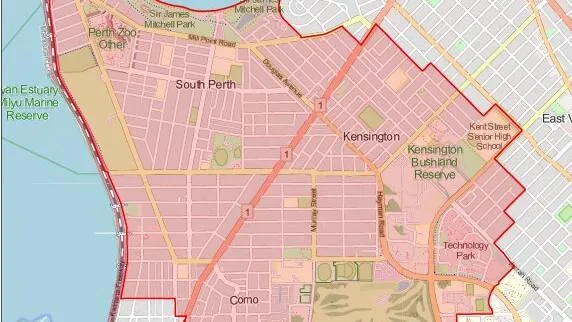
DPIRD chief plant biosecurity officer Vincent Lanoiselet said additional trapping had allowed officials to better define the quarantine boundaries. The “red zone” is within a 1.5km radius of the outbreak, covering more than 7,000 properties across South Perth, Como, Kensington, Bentley and East Victoria Park.
Residents and businesses within the zone must pick all ripe and ripening fruit and fruiting vegetables from host plants, which includes collecting fallen produce. Any fruit that is not eaten or processed must be solarised — sealed in a black plastic bag and left in the sun for seven days — before being disposed of in the general waste bin, not the FOGO bin. Homegrown fruit and vegetables are also prohibited from being moved within or outside the red zone. It does not include produce that has been cooked, frozen, dried or preserved.

An orange zone has also been declared, extending 15km from the outbreak area to act as a buffer. In this zone, host fruit and vegetables cannot be moved outside the area unless they have been treated.
Dr Lanoiselet said DPIRD response teams were already on the ground, conducting inspections and applying organic baits on both residential and commercial properties. “DPIRD is working with residents, industry and businesses to make them aware of the important quarantine measures to help us eradicate Qfly,” Dr Lanoiselet said. “We are calling for the support of everyone in the Quarantine Red Zone to pick ripe and ripening fruit and not move fruit to help break the pest’s life cycle and stop it from spreading to other suburbs and our horticultural areas.”
The Qfly is a major threat to both commercial horticulture and home gardens, impacting more than 300 types of fruit - including fruiting vegetables such as tomatoes, chillies and capsicums. The flies are about 6mm to 8mm long, with a reddish-brown body, yellow markings, a dark brown abdomen and clear wings. An interactive map and a list of impacted plants and treatment requirements can be found on the DPIRD website. Reported sightings can be made via the MyPestGuide Reporter app or by contacting DPIRD’s Pest and Disease Information service.