The Nuclear Plan to Blast a WA Harbour: A 1960s Vision for Iron Ore Export
In the 1960s, a breathtakingly simple yet radical idea captured the imagination of planners in Western Australia: using nuclear explosions to blast a massive harbour out of the ocean floor in the state's remote north-west. This ambitious proposal aimed to facilitate iron ore exports, leveraging the United States' Plowshare Program, which sought peaceful applications for nuclear technology. The concept, though ultimately unrealised, reveals a fascinating chapter in the intersection of Cold War-era innovation and industrial development.
The Plowshare Program and Early Discussions
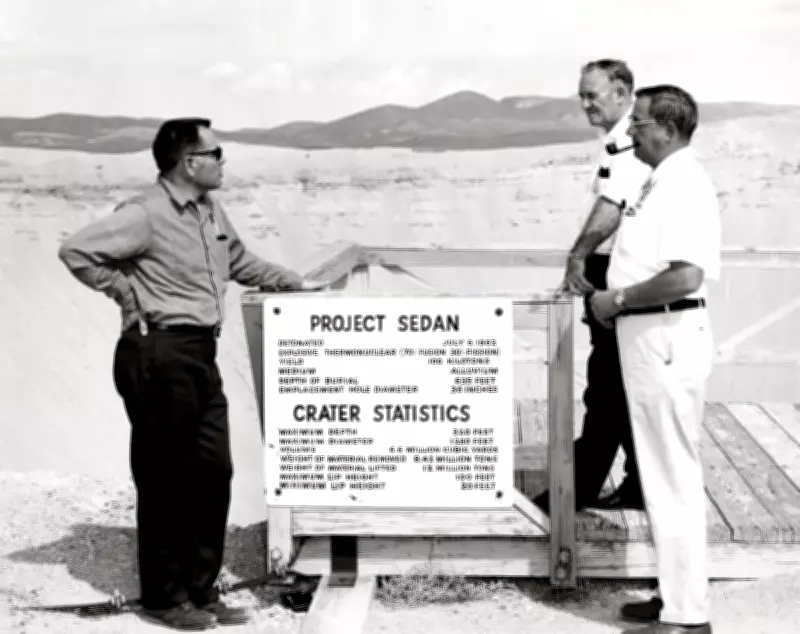
The Plowshare Program, established by the United States Atomic Energy Commission in 1958, was a research initiative dedicated to exploring peaceful uses for nuclear explosives. Between 1961 and 1973, the US conducted 27 Plowshare tests, primarily in Nevada. According to the US Department of Energy Office of Scientific and Technical Information, discussions about using a nuclear explosion to create a harbour in Western Australia began as early as 1962. By 1963, the program was presented to the Australian Federal Cabinet, and in 1964, the US officially offered to use an underground atomic blast to deepen the port of Geraldton. However, Cabinet decided to await an approach from the WA government before taking any initiative.
Proposal for Cape Keraudren
By 1969, the focus shifted to Cape Keraudren, located 130 kilometres north-east of Port Hedland. This site was proposed as a harbour for Sentinel Mining's operations in the Nimmingarra iron ore fields. US Congressman Craig Hosmer, a member of the congressional joint committee on atomic energy, recommended that the US government fund planning for the project. In a letter to President Lyndon Johnson, Hosmer argued that the harbour blast would provide valuable experience for a larger potential project: constructing a new canal to supplement the Panama Canal. He suggested allocating $267,000 for research, with further funding to be decided by the incoming Nixon administration.

WA Premier David Brand expressed support for the proposal, contingent on Federal government approval. He stated, "They consider it safe and I believe they have resolved the fall-out difficulties. There are very few places in the world that are so isolated and need a harbour. As far as this government is concerned this is a golden opportunity to allow them to experiment to our benefit." The plan involved detonating five 200-kiloton nuclear charges spaced 450 metres apart at a depth of 250 metres, creating a harbour approximately 1800 metres long, up to 480 metres wide, and between 60 and 120 metres deep.
Safety and International Considerations
Proponents of the scheme argued that radioactivity would be minimal and not a hazard, as the explosions would be conducted underground. Federal Minister for National Development David Fairbairn noted that if all aspects, including international obligations, were satisfactory, the blast could occur within about 12 months, followed by conventional construction. He emphasised the urgency due to Sentinel Mining's need for port facilities by the end of 1970 and the remote location's advantages, being far from population centres and susceptible structures.
An editorial in The West Australian on January 27, 1969, praised the Commonwealth government's enterprise, suggesting that success could position WA at the forefront of peaceful nuclear applications globally. It argued that underground explosions might not violate the treaty banning atmospheric nuclear testing, and the non-proliferation treaty supported making nuclear technology available for peaceful purposes.

Reservations and Opposition
Despite the enthusiasm, reservations emerged. The Pastoralists and Graziers' Association of WA raised concerns about insurance, noting that policies typically excluded damage from nuclear explosions, leaving nearby property owners unprotected. Sir Charles Court, WA Minister for Industrial Development and the North West, expressed surprise at opposition from the Shire of Mount Magnet, advocating for the development of nuclear energy as a "new engineering tool" for mining and water storage projects. He stressed that the State government required no cost to itself and assurance of safety from both Federal and State authorities.
Sudden Abandonment and Legacy
By the end of March 1969, the project was abruptly abandoned. A disagreement over sharing the cost of the feasibility study led to its indefinite deferral. Sentinel Mining believed Plowshare would cover the study and blast costs, with the company responsible for harbour conversion, but a significant portion of the study cost remained unallocated. Manager Peter Stork indicated that a more promising ore market might have encouraged the company to contribute. Fairbairn stated that the US and Australian atomic energy commissions found insufficient basis to proceed.
Sir Charles Court maintained that this did not mark the end of Plowshare studies in WA, and mining magnate Lang Hancock vowed to pursue practical nuclear explosions in the state. In 1995, Sir Charles reflected that the atomic option at Geraldton was never seriously considered due to lengthy feasibility studies that would have delayed town and industry expansion. He noted that explosions were deemed impractical near established communities, though other projects, such as dams for Carnarvon and Port Hedland, were also contemplated.
This nuclear harbour proposal remains a testament to the ambitious and sometimes controversial visions that shaped Western Australia's development during the mid-20th century, highlighting the complex interplay between technological innovation, economic interests, and environmental and safety concerns.