A new specialist disability accommodation (SDA) development has officially opened in Cannington's Civic Gardens, addressing growing demand across Perth's south-east corridor. The Civic Apartments complex is one of the few developments in Western Australia exclusively designed for people living with disabilities.
Development Details
Perth-based provider GR8 Disability Housing developed the building with funding from Jack and Daniella Fischer, who identified a gap in the residential market for high-quality disability housing. Managing director Perry Kleppe told PerthNow the project took approximately two and a half years to complete.
"Everything is built to the National Disability Insurance Scheme high physical support certification, so it can accommodate pretty much anybody who's funded for NDIS specialist disability accommodation," Mr Kleppe said. "Whether they're really high needs or pretty rudimentary needs, if they have that right funding, they can live in this building."

Apartment Features
The 17 apartments include seven two-bedroom, two-bathroom dwellings, eight one-bedroom dwellings, and two onsite units for support workers to provide 24/7 care if required. They are designed with specific accessibility infrastructure, such as wider door frames for wheelchair users, adjustable kitchen counters, larger light switches, and flat floor surfaces.
Rents are set at $258 per week, with residents gaining access to a shared rooftop space overlooking the Canning River Regional Park and Darling Range.
Flexibility for Residents
Mr Kleppe highlighted the flexibility the design offers. "In the past, there have been some real challenges with NDIS and how it's funded. You might have a situation with a married couple, where one of the partners becomes disabled, and up until pretty recently, they've had to split up," he said.
"We've developed this building so half of it is two bedroom, one resident, which allows for these relationships to continue. The person living with disability can live there with their partner, best friend, or whatever it may be. A lot of people also want to live alone, and there are very few opportunities for that in WA because everyone's just built two and three resident homes. This is a different direction."
Addressing Housing Shortage
Despite one in five Australians living with disability, there is a consistent shortage of appropriate housing with accessible infrastructure. In Canning, more than 100 people are funded for specialist disability accommodation under the NDIS, yet 45 of those people do not have access to it.
"The City of Canning is pulling its weight quite well, but I'm pretty sure there is no available accommodation left," Mr Kleppe said. "About 1200 people in WA who are currently funded for SDA are not living in it."
He emphasised the importance of building SDA in the right areas, such as the City of Canning, to accommodate the most people in need. However, he identified lack of land availability and funding as major challenges. "When the NDIS was introduced to WA, it was inundated with investors and builders who delivered significant numbers of houses in inappropriate locations where there was no demand. All of a sudden, there's a lot of vacancy in these properties in inappropriate locations, which then was reflected as a risk to lenders, so all the lenders retracted."
Personal Story: Lauren Davis
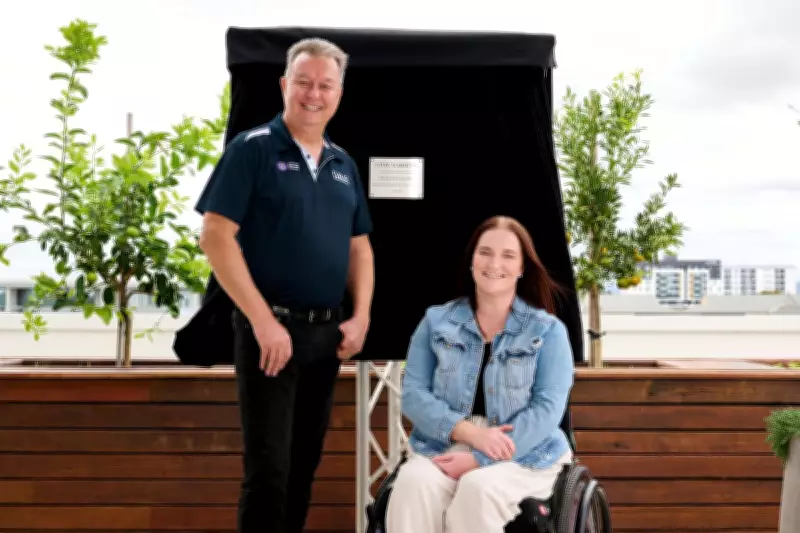
Lauren Davis became quadriplegic following an aggressive and rare spinal tumour three years ago. She has experienced the lack of accessible SDA housing first-hand. "When you obtain a disability later in life, so much changes and you have to worry about everything. The last thing I realised I would have to worry about is something as stable as housing," the 32-year-old said.
Ms Davis had to fight for her right to receive funding for SDA, living in five houses over two years before finding her first SDA home. "I didn't like moving before as a fully-abled person - try doing it on wheels," she said. "Housing is a basic human necessity. Because I gained a disability, it doesn't mean that I'm less than or less deserving, and unfortunately that became my experience."

She moved into a GR8 SDA home in Baldivis six months ago and said she has already felt her quality of life improve, even gaining some movement back in her arms and legs. "The houses that are actually built for purpose are fantastic. They make such a difference - it's been a really big part of me gaining a lot of my independence back, and being able to do a lot more things," she said.
"I'm only three years into the journey, but I started as someone with no movement from the neck down, and now I've worked it back up. I can drive independently, I live independently. The ability that GR8 Disability Housing has given me has just expanded my freedom."
Ms Davis stressed that developers need to consult with people living with disabilities when designing disability accommodation to properly understand what is needed. "Unfortunately, there's a lot of companies and people out there building these houses without any idea of what's needed behind them. That's what makes the difference," she said.
"The first house I moved back into after obtaining a disability was standard housing. I couldn't use the bathroom or the toilet for the six months that we lived there, because the doorways weren't wide enough. You feel like an animal. Finding houses like Civic Apartments are so imperative for people in the disability community to find spaces where they fit, not just where you can cram them."
Community and Location
The building is in a prime position for community engagement, close to Westfield Carousel, public transport, and essential services. The Civic Apartments project is expected to fill a significant gap in the market and will now begin an enrolment process with the NDIS to confirm all requirements are met, which is expected to take a few weeks. Following this, GR8 Housing will begin marketing for tenants.
Mayor Patrick Hall said the development was a welcome addition to the city, as WA has a serious shortage of appropriate housing for people with high physical support needs. "Cannington is one of the most connected parts of our city. These new residents will have access to everything they need to live independently and participate fully in community life. That's not always the case with specialist disability accommodation," he said. "Every development that addresses that shortage is a step in the right direction, and the people who will call Civic Gardens home deserve housing of this quality."