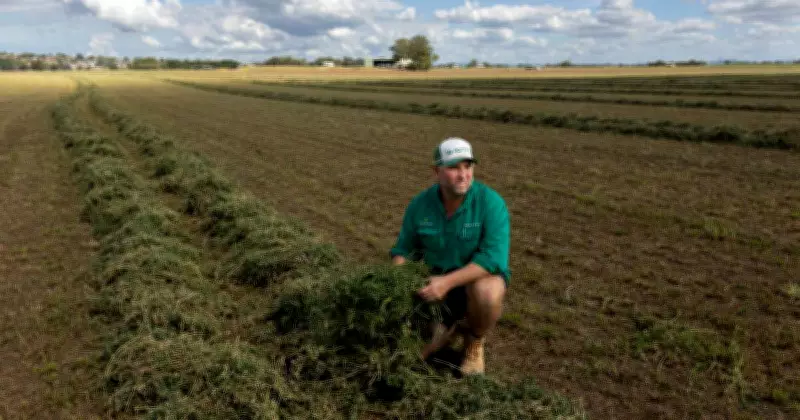
Hunter Farmers Struggle as Fuel Excise Cut Fails to Ease $6000 Bills
Farmers in the Hunter Valley region are expressing deep frustration as the temporary reduction in the fuel excise offers only marginal relief against their escalating operational costs. With many facing fuel bills exceeding $6000, the modest savings from the excise cut are being overshadowed by persistent financial pressures in the agricultural sector.
Minimal Impact on Soaring Expenses
The federal government's decision to lower the fuel excise has provided some temporary respite, but for Hunter farmers, it translates to minimal savings on their substantial fuel expenditures. Reports indicate that the average farmer in the area spends over $6000 on fuel alone, a figure that continues to strain budgets amid rising input costs and volatile market conditions.
This situation underscores the broader challenges facing Australian agriculture, where fuel is a critical component of daily operations. The excise reduction, while welcomed, is seen as insufficient to address the root causes of financial hardship, leaving many farmers calling for more comprehensive support measures.

Broader Agricultural Concerns
Beyond fuel costs, Hunter farmers are grappling with a range of issues, including:
- Increased prices for fertilizers and pesticides, which further inflate production expenses.
- Fluctuations in commodity markets that affect profitability and long-term planning.
- Ongoing labor shortages that complicate harvesting and other essential tasks.
These factors combine to create a precarious financial environment, where even small savings from fuel excise cuts are quickly absorbed by other rising costs. The agricultural community emphasizes that sustainable solutions are needed to ensure the viability of farming in the region.
Calls for Enhanced Support
Local farming advocates are urging policymakers to consider more targeted relief efforts, such as subsidies for renewable energy adoption or grants for efficiency improvements. They argue that while the fuel excise reduction is a step in the right direction, it falls short of addressing the systemic issues that threaten the sustainability of farming operations.
As discussions continue, the plight of Hunter farmers serves as a reminder of the delicate balance between government intervention and the realities of agricultural economics. With fuel bills remaining a significant burden, the search for effective relief measures remains a top priority for the sector.