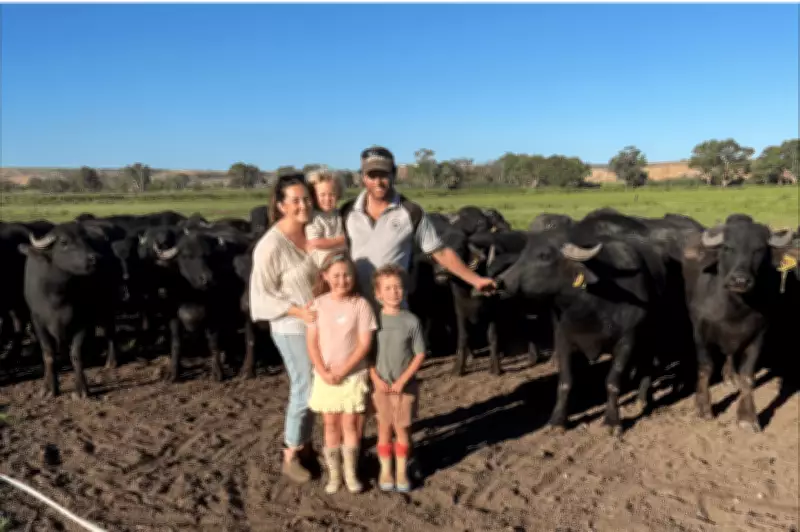
South Australia's agricultural landscape is undergoing a profound transformation as a new wave of young farmers brings fresh perspectives, innovative techniques, and a deep commitment to sustainability. These next-generation agriculturalists are redefining what it means to live and work on the land, challenging traditional practices and embracing technology to create a more resilient and profitable future.
Embracing Technology and Innovation
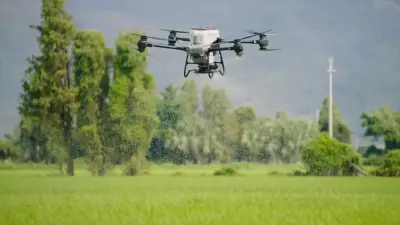
From precision agriculture to drone monitoring, young farmers are leveraging cutting-edge tools to optimize crop yields, reduce waste, and minimize environmental impact. Data-driven decision-making is becoming the norm, with soil sensors, weather stations, and satellite imagery providing real-time insights that enable more efficient use of water, fertilizers, and pesticides.
For many, this technological shift is not just about efficiency but also about attracting a new generation to farming. The integration of digital tools makes agriculture more appealing to tech-savvy youth who might otherwise overlook a career in the sector.

Sustainable Practices at the Forefront
Sustainability is a core value for young South Australian farmers. They are adopting regenerative agriculture methods, such as cover cropping, rotational grazing, and agroforestry, to improve soil health, sequester carbon, and enhance biodiversity. Many are also exploring renewable energy sources, installing solar panels and wind turbines to power their operations and reduce reliance on fossil fuels.
Water conservation is another critical focus. With South Australia's variable climate, young farmers are implementing efficient irrigation systems, rainwater harvesting, and drought-resistant crop varieties to ensure long-term viability.
Changing Perceptions and Building Communities
Beyond the fields, these young farmers are actively working to change perceptions of agriculture. They are using social media to share their stories, connect with consumers, and build a sense of community around local food production. Farmers' markets, farm-to-table initiatives, and agritourism are becoming popular ways to engage the public and diversify income streams.
Collaboration is also key. Young farmers are forming networks and cooperatives to share resources, knowledge, and market access. This collective approach helps them navigate challenges such as rising input costs, climate variability, and market volatility.
Challenges and Opportunities
Despite their enthusiasm, young farmers face significant hurdles. Access to land and capital remains a major barrier, with high property prices and startup costs. Many are turning to innovative financing models, such as crowdfunding, land trusts, and partnerships, to overcome these obstacles.
Government support and industry programs are also crucial. Initiatives that provide mentoring, training, and financial assistance are helping to nurture the next generation of agricultural leaders.
A Bright Future for South Australian Agriculture
The shift toward innovation and sustainability is not just a trend but a necessity. As the global population grows and climate pressures intensify, the role of young farmers in ensuring food security and environmental stewardship becomes ever more critical.
South Australia's next generation is proving that farming is not just a job but a dynamic, forward-thinking career that can make a real difference. By redefining life on the land, they are sowing the seeds for a prosperous and sustainable future.