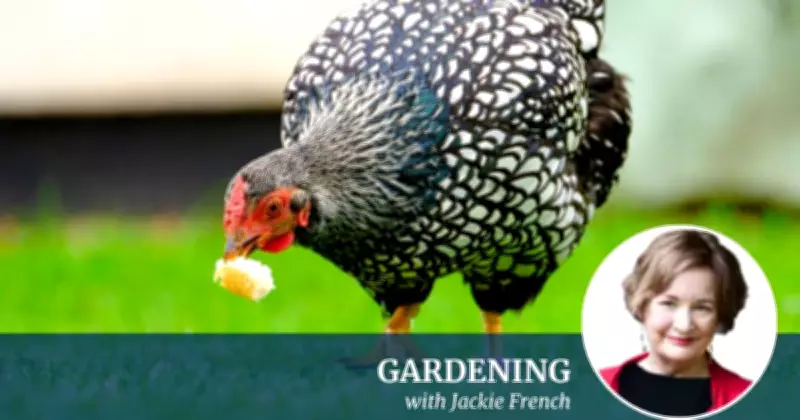
Mastering the Art of Backyard Chicken Keeping
Raising backyard chickens has become an increasingly popular pursuit for Australians seeking fresh eggs, sustainable living, and a connection to nature. Whether you're in an urban setting or a rural area, keeping chickens can be a rewarding experience, but it requires careful planning and knowledge to ensure success. This guide provides comprehensive insights into the essentials of poultry keeping, from initial setup to ongoing care.
Choosing the Right Chickens for Your Backyard
Selecting the appropriate breed is crucial for a thriving backyard flock. Consider factors such as climate adaptability, egg-laying capacity, and temperament. Popular breeds in Australia include the Isa Brown, known for its prolific egg production, and the Australorp, which is hardy and well-suited to various environments. It's important to research local regulations, as some councils have restrictions on the number of chickens allowed or require permits for keeping poultry in residential areas.
Setting Up a Safe and Comfortable Coop
A well-designed coop is fundamental to the health and happiness of your chickens. Ensure the structure provides adequate space, with a minimum of one square metre per bird to prevent overcrowding. Key features should include:

- Secure fencing: Protect chickens from predators like foxes and dogs with sturdy, predator-proof enclosures.
- Proper ventilation: Maintain good airflow to reduce moisture and prevent respiratory issues.
- Nesting boxes: Provide clean, dark spaces for egg-laying, with one box for every three to four hens.
- Roosting perches: Install perches at different heights to allow natural roosting behaviour.
Regular cleaning of the coop is essential to minimise disease risk and maintain a hygienic environment for your flock.
Nutrition and Health Management
Feeding your chickens a balanced diet is vital for their well-being and egg quality. A commercial poultry feed typically provides the necessary nutrients, but you can supplement with kitchen scraps, grains, and greens. Avoid feeding them toxic foods like avocado, chocolate, or raw potatoes. Fresh water should be available at all times, especially during hot weather to prevent dehydration.
Monitor your chickens for signs of illness, such as lethargy, reduced egg production, or abnormal droppings. Common health issues include mites, worms, and respiratory infections. Establish a relationship with a local veterinarian who specialises in poultry to address any concerns promptly. Regular health checks and vaccinations, if recommended, can help maintain a healthy flock.
Sustainable Practices and Environmental Benefits
Keeping backyard chickens aligns with sustainable living goals by reducing food waste and promoting local food production. Chickens can help with garden maintenance by eating pests and providing nutrient-rich manure for composting. This not only benefits your garden but also contributes to a circular economy, minimising environmental impact.
Additionally, raising chickens fosters a deeper understanding of food sources and animal welfare, encouraging more mindful consumption habits. By integrating chickens into your backyard ecosystem, you support biodiversity and reduce reliance on industrial farming systems.
Overcoming Common Challenges
New poultry keepers often face challenges such as predator attacks, noise complaints, or egg shortages. To mitigate these issues, invest in robust security measures, like motion-sensor lights or alarms, to deter predators. Be considerate of neighbours by managing noise levels, especially with roosters, which are often prohibited in urban areas due to crowing.
If egg production declines, assess factors like diet, lighting, and stress levels. Chickens require about 14-16 hours of light per day for optimal laying, so consider supplemental lighting in winter. Reducing stressors, such as sudden changes in environment or flock dynamics, can also improve productivity.

Conclusion: Embracing the Rewards of Poultry Keeping
Keeping backyard chickens offers numerous benefits, from fresh eggs to educational opportunities for families. With proper planning, care, and attention to detail, you can create a thriving and sustainable poultry environment. By following these expert tips, you'll be well-equipped to enjoy the joys of chicken keeping while contributing positively to your local ecosystem and lifestyle.