Cairns Farm Achieves Major Milestone in Waste-to-Fertiliser Conversion
A farm located in the Cairns region has successfully transformed an impressive 10,000 tonnes of waste into high-quality fertiliser, marking a significant achievement in sustainable agricultural practices. This innovative project not only addresses waste management challenges but also delivers substantial cost savings for the farm, showcasing a model that could inspire similar initiatives across Australia.
Transforming Waste into Valuable Resources
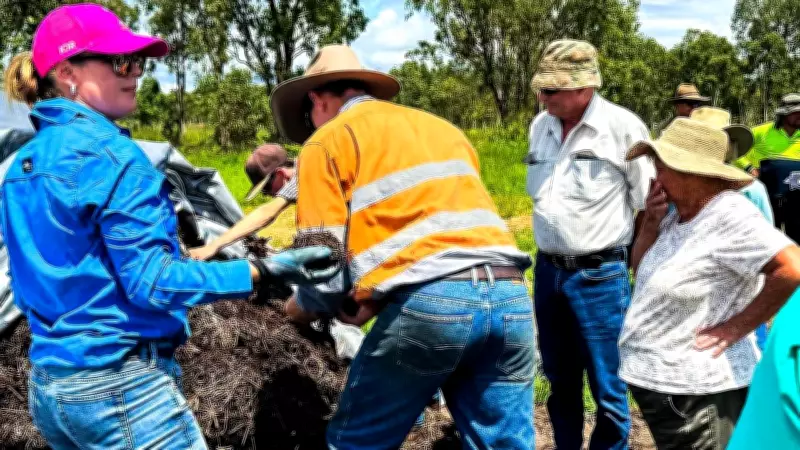
The farm has implemented a cutting-edge process that converts various types of agricultural and organic waste into nutrient-rich fertiliser. This method involves carefully processing materials that would otherwise end up in landfills, turning them into a valuable product that enhances soil health and boosts crop yields. By repurposing waste, the farm reduces its environmental footprint while creating a closed-loop system that minimises external inputs.
Key components of the waste include crop residues, food scraps, and other biodegradable materials, which are processed through composting and other techniques to ensure safety and efficacy. The resulting fertiliser is rich in essential nutrients like nitrogen, phosphorus, and potassium, making it ideal for supporting plant growth without the need for synthetic alternatives.

Significant Cost Reductions and Economic Benefits
One of the most compelling outcomes of this initiative is the dramatic reduction in operational costs. By producing its own fertiliser on-site, the farm has slashed expenses associated with purchasing commercial fertilisers, which can be a major financial burden for agricultural businesses. This cost-saving measure not only improves profitability but also enhances the farm's resilience against market fluctuations in fertiliser prices.
Additionally, the project has created local employment opportunities and stimulated economic activity in the Cairns area. The farm's success demonstrates how sustainable practices can drive economic growth while supporting environmental goals, offering a blueprint for other farms looking to adopt similar strategies.
Environmental Impact and Sustainability Goals
The conversion of 10,000 tonnes of waste into fertiliser has profound environmental benefits. By diverting waste from landfills, the farm reduces greenhouse gas emissions and minimises soil and water pollution. This aligns with broader sustainability objectives, such as promoting circular economy principles and reducing reliance on non-renewable resources.
Experts highlight that this approach contributes to healthier ecosystems by improving soil structure and fertility, which in turn supports biodiversity and long-term agricultural productivity. The farm's efforts are part of a growing trend in Australia towards more eco-friendly farming methods, driven by increasing awareness of climate change and resource scarcity.
Future Prospects and Industry Implications
Looking ahead, the farm plans to expand its waste-to-fertiliser operations, potentially increasing capacity and exploring new waste streams. This could involve partnerships with local businesses or municipalities to process additional organic waste, further enhancing the project's impact.
The success of this initiative has caught the attention of agricultural stakeholders and policymakers, who see it as a viable solution for addressing waste management and cost challenges in the sector. As more farms adopt similar practices, it could lead to widespread improvements in sustainability and economic efficiency across Australian agriculture.
In summary, the Cairns farm's transformation of 10,000 tonnes of waste into fertiliser represents a pioneering step towards more sustainable and cost-effective farming. By turning waste into a resource, the farm not only cuts costs but also sets a positive example for the industry, highlighting the potential for innovation to drive both environmental and economic benefits.