A major biosecurity offensive is underway in flood-ravaged regions of Queensland, where aerial shooters are targeting thousands of feral pigs left stranded and exposed by rising waters. The unprecedented flooding has created a unique, if grim, opportunity for pest controllers to cull large numbers of the destructive invasive species while they are concentrated on small patches of high ground.
Floodwaters Create a Unique Culling Opportunity
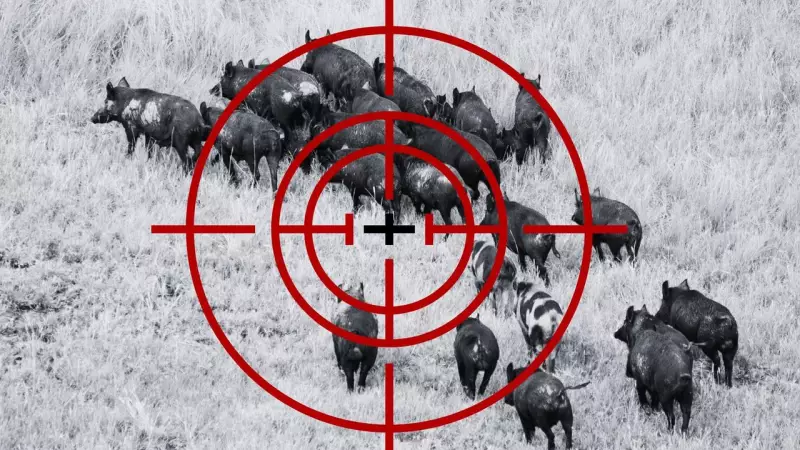
The operation, coordinated by local councils and landholders, is focusing on areas where floodwaters have corralled the normally elusive pigs into isolated pockets. North and Far North Queensland, still reeling from the aftermath of ex-Tropical Cyclone Kirrily and subsequent monsoonal rains, are the primary zones for the aerial assault. With vast tracts of land submerged, the pigs have been forced to congregate on levee banks, roads, and the few remaining islands of dry land, making them highly visible targets from the air.
This situation presents a critical window for biosecurity managers. Feral pigs are not just a nuisance; they are a profound environmental and agricultural menace. They root up soil, damage native vegetation, prey on livestock like lambs and calves, and compete with native wildlife for food. Perhaps most alarmingly, they are potential vectors for diseases that could devastate Australia's valuable livestock industries, including African swine fever, should it ever reach our shores.

A Coordinated Effort to Safeguard Farms and Environment
The aerial cull is a direct response to the heightened risk period following the floods. As waters eventually recede, the surviving pig populations will disperse back across the landscape, causing widespread damage and complicating control efforts. By acting now, authorities aim to significantly reduce their numbers before that can happen.
The operation involves skilled marksmen in helicopters, working in close consultation with property owners to ensure safety and precision. Landholders have been reporting large congregations of pigs, with some estimates suggesting groups of several hundred animals are visible from the air. This level of concentration is rare and makes the aerial method both efficient and effective.
Local government figures, including those from the Charters Towers Regional Council, have publicly supported the initiative. They emphasise that this is a necessary biosecurity measure, not merely a pest control exercise. The goal is to protect the economic viability of farms, safeguard the region's unique ecosystems, and mitigate the long-term threat of disease spread.
The Broader Battle Against a Destructive Pest
While the current floods have created a specific tactical advantage, the battle against feral pigs in Queensland is a continuous and costly one. Their reproductive rate is high, and they are incredibly adaptable, thriving in a variety of habitats from wetlands to agricultural land. Control methods are diverse and include trapping, ground shooting, and baiting, but aerial shooting is often the only viable option in remote or difficult terrain, especially when animals are gathered in large numbers.
This flood-assisted cull underscores the ongoing challenge of managing invasive species in Australia. Extreme weather events, while devastating, can sometimes create temporary conditions that allow for large-scale interventions. The success of this operation will be measured in the coming months by reduced reports of pig damage and lower population pressure on recovering landscapes and farms.
For Queensland graziers and environmental managers, the sight of helicopters over floodwaters represents a proactive strike in a long war. It's a harsh but essential strategy to protect livelihoods and native habitats from one of the country's most destructive feral animals.