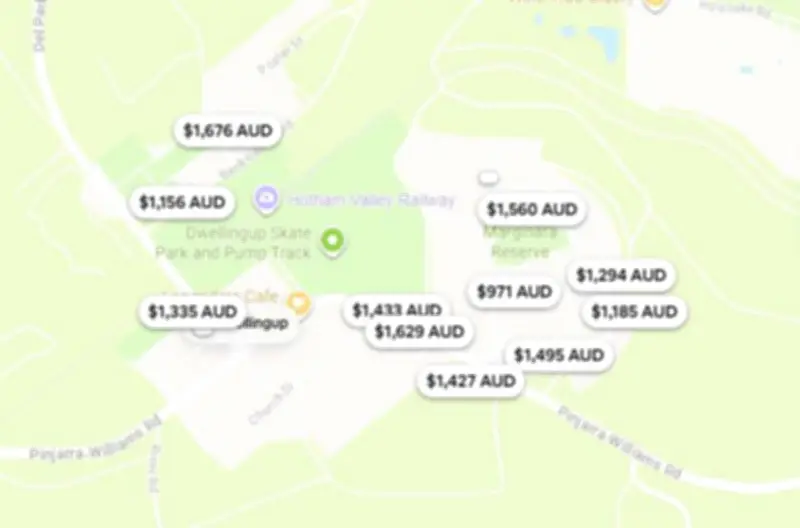
The Shire of Murray has adopted a new local planning policy that restricts unhosted short-term rental accommodation (STRA) in Dwellingup, one of Western Australia's premier tourism destinations, to the town centre only. The policy, passed unanimously at the council's June 18 meeting, aims to address the state's housing crisis by preserving permanent housing stock.
Policy Details and Immediate Impact
Under the new policy, small unhosted STRAs no longer require council approval across most of the shire, except in Dwellingup where they are limited to the town centre and still need approval. The policy has already affected one applicant: Shane Crothers sought permission to use a property on Marginata Crescent for unhosted short-term rental for up to six guests for four to five years. The council unanimously rejected the application, citing conflict with the new policy, an undesirable precedent, and reduction in permanent housing availability.
Community Concerns and Survey Results
A shire report highlighted that the amount of housing used for STRA in Dwellingup had become a critical concern. A survey of residents in the town and surrounding areas found that more than half of respondents believed the current level of unhosted STRA was too high. The report stated: "The survey demonstrated community support for tourism but clear opposition to continued unrestricted growth of unhosted STRA where it undermines permanent housing, school viability, workforce stability and community cohesion." The policy was advertised for 21 days and received no submissions.

Impact on Dwellingup's Community
Dwellingup, with a population of about 700, is recognized as one of WA's best tourism destinations, featuring attractions such as the Dwellingup Adventure Trails, Lane Pool Reserve, Forest Discovery Centre, and Dwaarlindjirraap Bridge. However, the report noted that the town's small population puts it on the lower margin of viability for maintaining essential services, infrastructure, and volunteer capacity. "In settlements of this scale, relatively small changes in population can have disproportionate and compounding effects," the report said. "Dwellingup's permanent population is small and the retention of permanent housing stock is central to maintaining essential services, volunteer capacity, school viability and long-term settlement sustainability."
Council Member's Perspective
Cr Nicole Willis emphasized the council's responsibility to preserve the town as more than a holiday destination. "Permanent residents create volunteers, school attendees, and weekday value to the local businesses, all of which are dwindling away in Dwellingup in part due to STRAs and also lack of land release," she said. "The community is valuing what little residents they have left there and that has formed my decision today."
Applicant's Response
In response to objections to the Marginata Crescent proposal, which received 11 submissions (eight objections), the applicants stated they were not "flippers" or investors and planned to eventually move there. They argued: "The structural problem facing the town is bigger than just one home and the real need is for a new subdivision annexed on to the side of the town and planned in such a way that it caters to a range of development uses, including affordable housing."
Broader Implications
The report acknowledged that while STRAs provide some local economic benefit, broader economic implications exist. As population falls below a functional threshold, services become increasingly reliant on external subsidy or volunteer effort, both finite. In Dwellingup's isolated context, the erosion of local services disproportionately affects children, older residents, and those without private vehicles, raising equity considerations. The policy requires proposals to demonstrate that they do not reduce permanent residential accommodation availability.