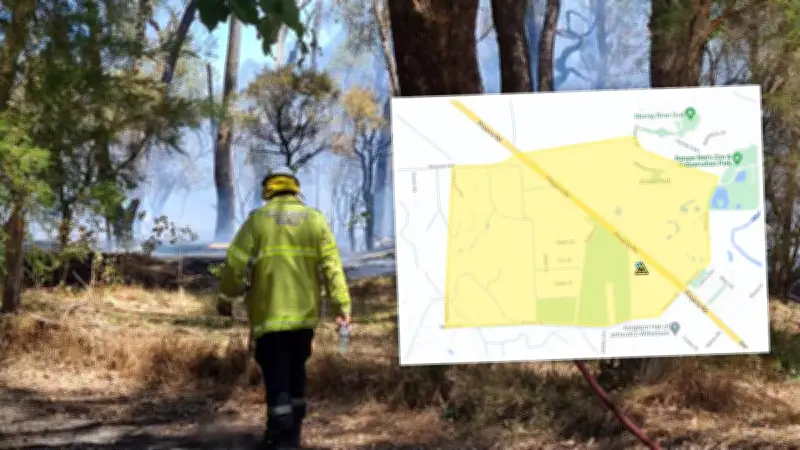
The Shire of Murray's volunteer fire brigades will continue to have a volunteer in the role of chief bush fire control officer, after the shire council endorsed a recommendation from its bush fire advisory committee on June 18.
Review of Leadership Structure
The shire had been reviewing the leadership structure for its brigades, specifically who would fill the chief bush fire control officer (CBFCO) and deputy positions. Historically, the CBFCO role has been held by a volunteer appointed by the shire under the Bush Fires Act 1954. However, over the past two years, it had sometimes been filled by the shire’s ranger and community safety co-ordinator due to what a council report termed “operational and organisational circumstances.” The current CBFCO is Nicole Stevens-Barrett, who also serves as the shire’s ranger and community safety co-ordinator.
Volunteer Preference
Earlier this year, as part of a review of bushfire management arrangements, the shire’s volunteer brigades were asked whether they wanted the CBFCO role to be filled by a shire employee or a brigade volunteer. The brigades acknowledged both arrangements had advantages and disadvantages, but preferred a volunteer, citing a strong connection to brigade culture, “operational credibility,” and continued “volunteer ownership” of bush fire leadership.

The shire’s bush fire advisory committee voted 6-1 at its May meeting in favor of having a volunteer in the role. Coolup volunteer bush fire brigade FCO Douglas McLarty, who is also the shire president, voted against it. The council unanimously voted to adopt the committee’s recommendation at its June 18 meeting.
Council Support
Cr Rob Cashman, a member of the South Yunderup/Ravenswood brigade, said the brigades had given an “overwhelmingly clear” message. “Our brigades have strongly expressed their preference for a volunteer leadership model for the roles of chief bushfire control officer and deputy chief bushfire control officer,” he said. “The report highlights that volunteers bring operational knowledge, trusted relationships and a deep understanding of the brigade capabilities and the community expectations. These strengths … are fundamental to effective bushfire response and cannot be replicated through a shire-employed model.”
He added that volunteers knew the terrain and each other very well and had operational experience. “When the very volunteers who deliver the frontline response tell us the leadership structure that best supports them, I believe it’s our responsibility to listen,” Cr Cashman said.
Brigade Positions
Having a paid employee as CBFCO was seen by brigades as providing increased availability, administrative consistency and greater integration with shire functions, but there were concerns about its effect on brigade morale and autonomy. The North Dandalup, Dwellingup, West Murray and Pinjarra brigades favored having a volunteer CBFCO. The Coolup brigade preferred a paid CBFCO.
The South Yunderup/Ravenswood brigade said it had not had enough time to consider the proposal, but it opposed “any unilateral appointment by the shire of a CBFCO” who was in its paid employ. It said the position should come with a shire vehicle. The West Murray brigade said it should come with a car and a payment of $10,000 to $15,000. A vehicle used to be allocated but was deemed no longer practical by the shire after changes to its fire management structure and internal staffing changes.
A report to the committee last year said the CBFCO receives $2,500 per year and deputies $1,500 per year.
Position Descriptions and Next Steps
Position descriptions for the CBFCO and deputy have also been prepared. The council report said they did not change responsibilities and were intended to spell out what the expectations for the positions were. Key responsibilities include managing fire resources during wildfire incidents, promoting positive brigade culture, and helping resolve operation or brigade-related issues.
Expressions of interest in the two roles were open from June 2 to 16. Submissions will be considered by the bush fire advisory committee on July 8. A council report said they were called for before the council’s decision to prevent delays in having them filled before the 2026-27 fire season.