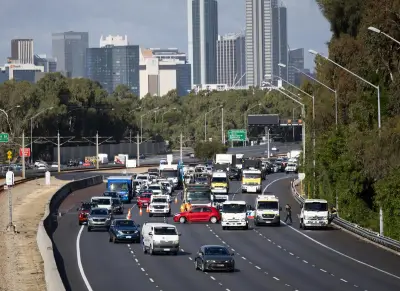
Reducing speed limits in cities is one of the most effective measures to save lives on the road, yet Australia remains reluctant to implement widespread changes. Despite clear evidence from international studies and local trials, political and public resistance continues to stall progress.
Proven Benefits of Lower Speed Limits
Research consistently shows that lowering speed limits in urban areas reduces both the number and severity of crashes. A pedestrian struck by a vehicle traveling at 30 km/h has a 90% chance of survival, compared to just 10% at 50 km/h. According to the World Health Organization, a 5% reduction in average speed can lead to a 30% decrease in fatal crashes.
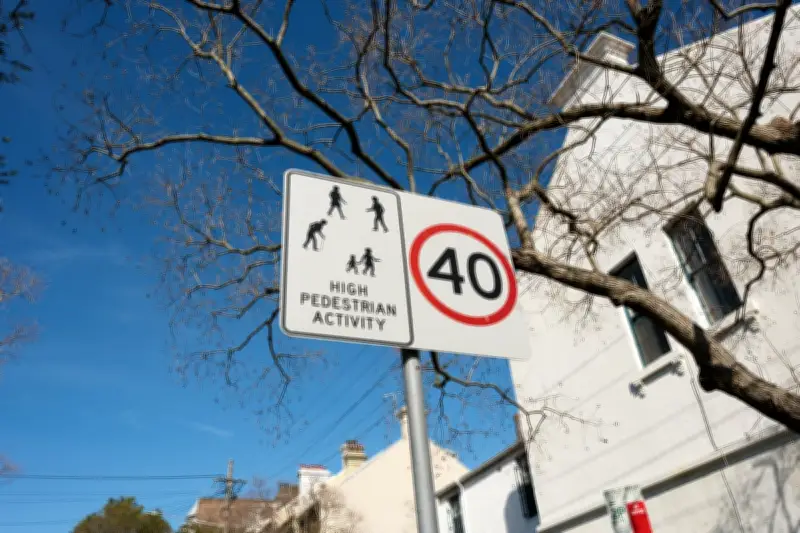
In Australia, cities like Melbourne have trialed 40 km/h zones in high-pedestrian areas, resulting in a 20% reduction in serious injuries. Yet, national adoption remains slow.

Political and Public Resistance
Despite the evidence, many Australian governments are hesitant to lower speed limits. Critics argue that reduced speeds increase travel times and inconvenience drivers. “There is a perception that lowering speed limits is an attack on personal freedom,” says Dr. Jane Smith, a road safety expert at the University of Sydney. “But the data shows that the time saved is minimal—often only seconds—while the lives saved are significant.”
In Queensland, a proposal to lower default urban speed limits from 50 km/h to 40 km/h was met with strong opposition from motoring groups and some local councils. The state government ultimately shelved the plan, citing public backlash.
International Comparisons
Countries that have adopted lower speed limits have seen dramatic results. In the United Kingdom, 20 mph (32 km/h) zones have reduced crashes by 41% and child pedestrian injuries by 50%. Similarly, in Paris, lowering speed limits to 30 km/h in most streets led to a 30% drop in road fatalities within two years.
Australia lags behind these nations. Only a handful of local councils have implemented 30 km/h zones, and there is no national target for reducing urban speed limits.
The Role of Infrastructure
Experts argue that lowering speed limits must be accompanied by infrastructure changes, such as speed humps, narrowed roads, and improved signage. “Speed limits alone are not enough,” says Dr. Smith. “We need to design streets that naturally encourage slower driving.”
In Victoria, the state government has invested in traffic-calming measures in school zones, resulting in a 40% reduction in crashes near schools. However, similar investments are lacking in other states.
What Needs to Change
To overcome resistance, road safety advocates recommend a combination of public education campaigns, pilot programs, and political leadership. “We need to shift the conversation from inconvenience to saving lives,” says Mark Johnson, CEO of the Australian Road Safety Foundation. “Every minute of delay is a life potentially saved.”
Some states are beginning to act. South Australia recently announced a trial of 30 km/h zones in Adelaide’s CBD, while New South Wales is considering lowering speed limits in high-risk areas. But without a coordinated national approach, progress remains slow.
Conclusion
Reducing speed limits in cities is a proven, cost-effective way to save lives. Australia has the evidence and the examples from abroad, but political will and public acceptance remain barriers. As road fatalities continue to claim over 1,100 lives each year, the question is not whether lower speed limits work, but why Australia is still reluctant to embrace them.