In a recent public appearance, Pauline Hanson, leader of One Nation, questioned the direction of Australian cultural values, sparking debate about what kind of national identity she envisions. Her comments, made during a speech in Queensland, focused on perceived threats to traditional Australian culture from immigration and multicultural policies.
Hanson's Cultural Critique
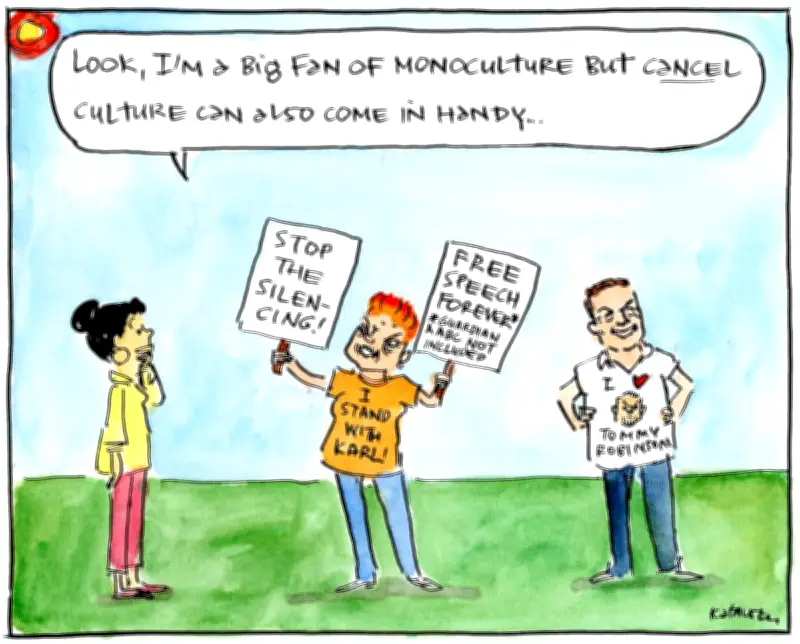
Hanson argued that mainstream Australian culture is being eroded by what she described as "divisive identity politics" and an overemphasis on diversity. She stated, "We need to ask ourselves what kind of culture we actually want to preserve for future generations." According to Hanson, Australian values such as mateship, egalitarianism, and a fair go are being sidelined in favor of multiculturalism that she claims prioritizes minority groups over the broader population.
Political Reactions
Her remarks drew sharp criticism from cross-party politicians. Labor Senator Malarndirri McCarthy accused Hanson of promoting a "narrow, exclusionary vision" that ignores Australia's Indigenous heritage and multicultural fabric. Green Party spokesperson Mehreen Faruqi labeled Hanson's comments as "dog-whistle politics" designed to stoke division. However, some conservative commentators defended Hanson, arguing she is raising legitimate concerns about social cohesion.

Public Opinion and Data
A recent poll by the Scanlon Foundation found that 62% of Australians agree that multiculturalism has been good for the country, while 28% expressed concerns about cultural change. Hanson's base, largely older and from regional areas, tends to align with the minority view. The debate highlights a persistent tension in Australian society between embracing diversity and preserving traditional norms.
What Culture Does Hanson Want?
Hanson has not provided a detailed policy prescription for her ideal Australian culture. In past statements, she has advocated for reduced immigration, particularly from Asian and Muslim-majority countries, and stronger assimilation requirements. Critics argue this vision is rooted in nostalgia for a monocultural Australia that never truly existed, given the country's Indigenous history and waves of migration from Europe and beyond.
As the 2025 federal election approaches, Hanson's cultural stance may resonate with voters feeling left behind by globalization. However, with major parties reaffirming their commitment to multiculturalism, the One Nation leader faces an uphill battle to shift the national conversation. The question of what culture Australia should aspire to remains as contentious as ever.