Developing countries are now spending more on servicing foreign debt than on education, a trend that threatens to undermine progress in schooling and widen global inequality, according to a new report from UNESCO.
Debt Payments Surpass Education Budgets
The UNESCO report, released on Thursday, reveals that in 2024, low- and middle-income nations spent an average of 12.9% of government revenue on foreign debt repayments, compared to just 11.8% on education. This marks the first time debt servicing has overtaken education spending in these countries.
Overall, developing nations allocated $1.2 trillion to debt payments, while education budgets totaled $1.1 trillion. The gap is most pronounced in sub-Saharan Africa, where debt servicing consumes 18.5% of revenue versus 12.5% for education.

Impact on Education Quality and Access
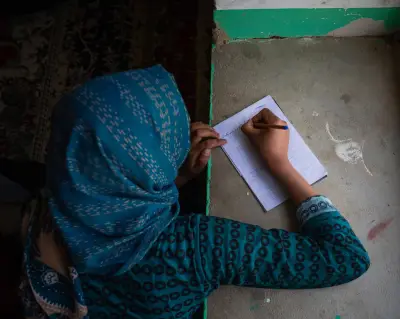
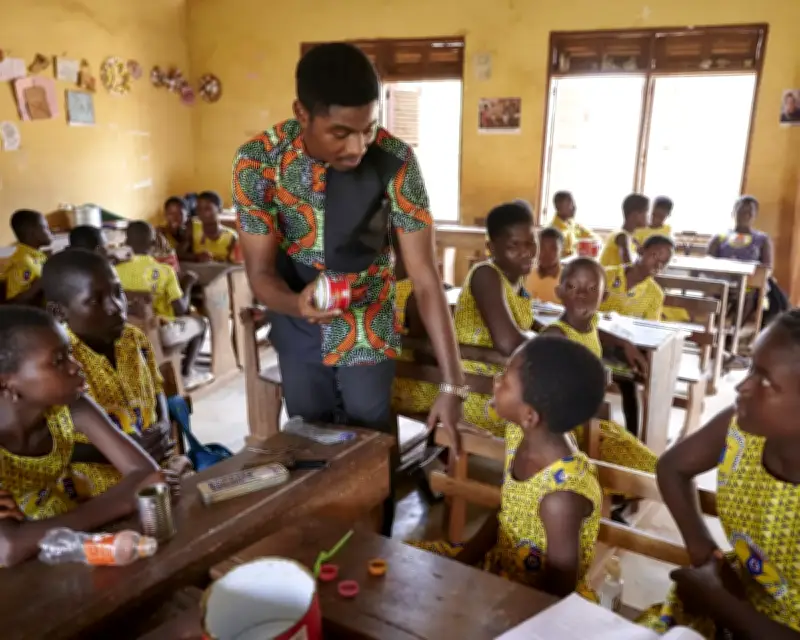
The shift has direct consequences for classrooms. UNESCO estimates that 244 million children and adolescents worldwide are out of school, and the funding shortfall could worsen teacher shortages, infrastructure deficits, and learning outcomes. In countries like Zambia and Ghana, debt payments have led to cuts in teacher hiring and school construction.
“This is a crisis of priorities,” said Manos Antoninis, director of UNESCO’s Global Education Monitoring Report. “When debt repayment takes precedence over education, we are mortgaging the future of an entire generation.”
Aid Cuts Compound the Problem
The report also highlights a decline in international aid for education. Total aid to education fell by 3% in 2024, to $14.2 billion, with the largest reductions from major donors like the United Kingdom and Germany. This comes as developing countries face rising interest rates and a stronger US dollar, making debt even more costly.
UNESCO warns that without urgent action, the trend could reverse decades of progress in universal primary education and gender parity. The organization calls for debt restructuring, increased aid, and domestic tax reforms to free up resources for schooling.
Call for Global Action
The findings come ahead of the UN Summit of the Future in September, where education financing is expected to be a key topic. UNESCO is urging creditor nations and international financial institutions to consider debt relief or swaps that convert debt payments into education investments.
“We need a global reset,” Antoninis added. “Education is the foundation for sustainable development, but it is being sacrificed on the altar of debt.”