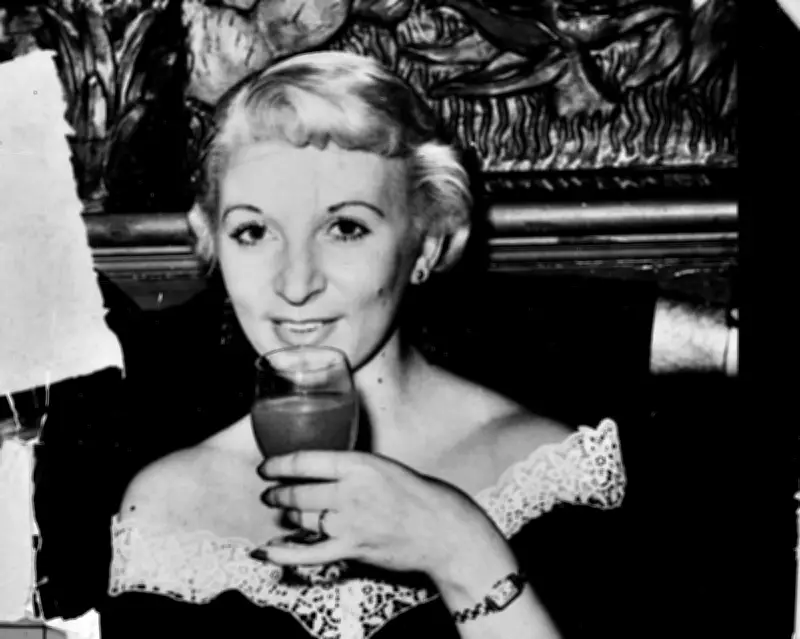
The UK government has granted a posthumous conditional pardon to Ruth Ellis, the last woman to be hanged in Britain, more than seven decades after her execution. The pardon, announced on Wednesday, acknowledges that Ellis was a victim of domestic abuse and that her conviction for the murder of her lover, David Blakely, was a miscarriage of justice.
Background of the Case
Ruth Ellis was executed by hanging on July 13, 1955, at Holloway Prison in London, after being found guilty of shooting Blakely outside a pub in Hampstead. She was 28 years old. Her case has long been a subject of controversy, with campaigners arguing that she suffered from severe physical and emotional abuse at the hands of Blakely and that the trial failed to consider the context of her actions.
Details of the Pardon
The conditional pardon, issued under the royal prerogative of mercy, does not quash Ellis's conviction but acknowledges that her execution was unjust. The decision follows a campaign by her family and legal experts who presented new evidence of the abuse she endured. According to a statement from the Ministry of Justice, the pardon was granted after a thorough review of the case, which concluded that the original trial did not adequately address the impact of domestic violence on Ellis's mental state.

Reactions and Impact
Ellis's son, who has campaigned for decades for his mother's exoneration, welcomed the pardon but called for a full posthumous pardon to clear her name completely. "This is a step forward, but it does not go far enough," he said in a statement. Legal experts have noted that the conditional pardon is a rare legal mechanism used to express clemency without overturning a conviction. The case has reignited debates about the death penalty and the treatment of women who kill abusive partners.
Historical Context
Ruth Ellis's execution was a pivotal moment in British legal history, contributing to the eventual abolition of the death penalty in the UK in 1965. Her case remains one of the most controversial in the country's criminal justice system. The pardon marks the first time a posthumous conditional pardon has been granted in such a high-profile case.