Road safety experts have strongly criticised a controversial plan to allow drivers with medicinal cannabis in their system to remain on the road in New South Wales. The proposed changes, announced by the NSW Government, introduce a 'three strikes' policy for drivers caught with cannabis in their system, provided they hold a prescription for medicinal use.
Government's Position
NSW Premier Chris Minns defended the reform, stating, 'This is a significant reform for NSW, but it's one we are approaching carefully and with road safety at the centre of every decision.' He added, 'For thousands of people, medically prescribed cannabis is life-changing medication that is necessary for people to go about their daily lives.'
Expert Concerns
NRMA spokesman Pete Khoury expressed alarm, saying, 'We are struggling to get the road toll down. More people are now dying of drug driving than they are drunk driving. Medical experts have consistently said you cannot accurately measure impairment. We are deeply concerned about going in half blind and effectively what is a guessing game.'

Trauma surgeon and road safety advocate John Crozier wrote in the Sydney Morning Herald that the change represents 'a failure of political courage that will cost lives,' accusing the Minns government of prioritising electoral costs over road safety.
Opposition Response
NSW Shadow Roads Minister Mark Coure stated, 'These changes send the wrong message with record fatalities here in NSW,' and confirmed the opposition will object to the drug-driving law changes.
Proposed Penalties
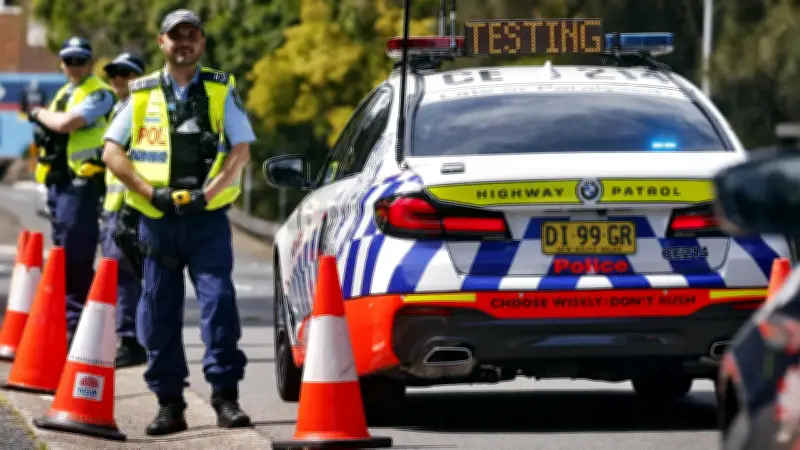
Under the new rules, any driver returning a positive roadside test for cannabis will face an immediate 24-hour driving suspension while their sample is sent for laboratory testing. The tests will measure tetrahydrocannabinol (THC) levels to determine intoxication. If the laboratory result shows THC below a maximum threshold, no further action will be taken. For first or second detections above the threshold within two years, drivers will receive a warning letter. A third detection above the threshold will result in a $704 fine and a minimum three-month licence suspension. If alcohol or other illicit drugs are present, standard drug driving offences apply.
Public Reaction
News of the change drew mixed reactions on social media. One Reddit user commented, 'It still doesn't make sense. Are we testing for inebriation or trying to catch people for taking drugs a day or two ago? The aim of these laws should be inebriation, so they should have a threshold for everyone regardless of prescription.' Another user welcomed the change, saying, 'As long as the threshold is reasonable, not so low as to set people up for failure, this seems to be a long overdue step in the right direction.' Some criticised the 24-hour penalty as too punitive, comparing it to 'getting an instant 24-hour driving ban for blowing 0.01 on a blood-alcohol test.'